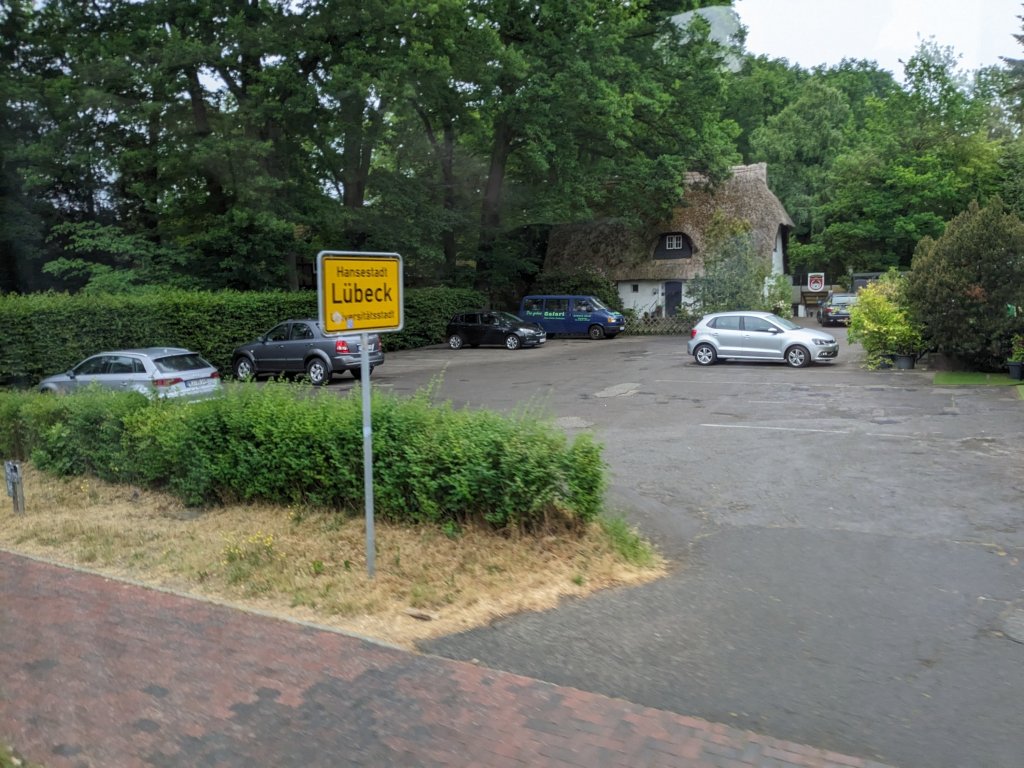
Lübeck was the capital of the Hanseatic League. Most of the cities that we have traveled to on this trip were part of this group. In the 13th to the 15th century there was a need for merchants to have protection and trade connections. These Baltic cities thrived on the Hanseatic League trade.

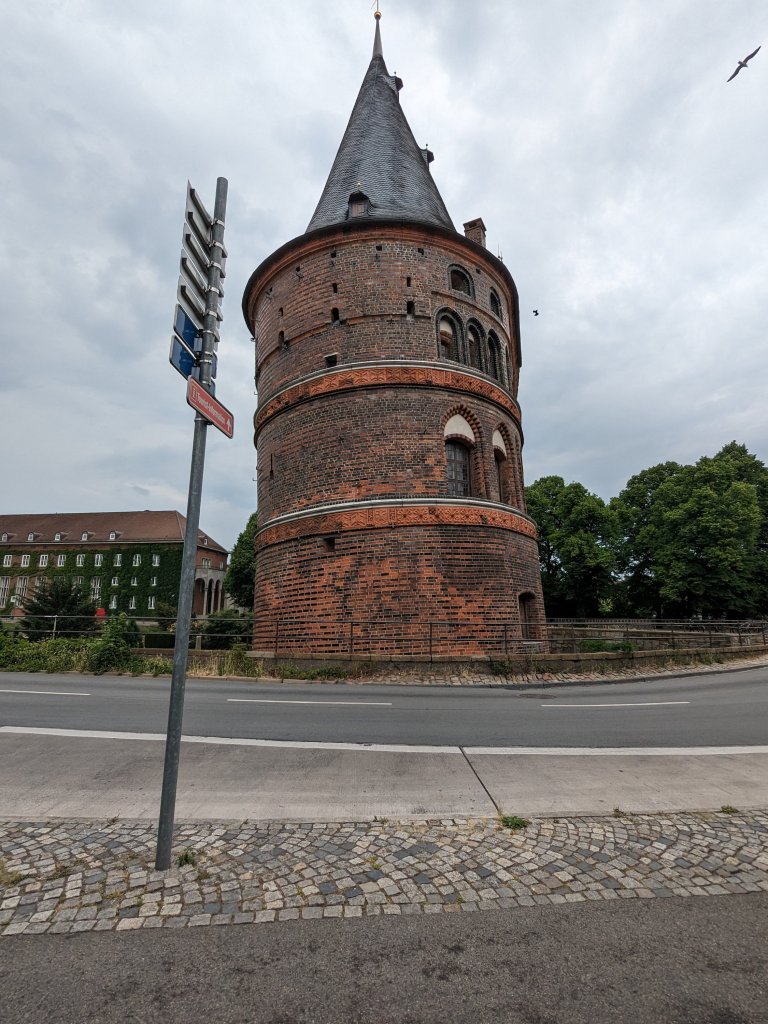
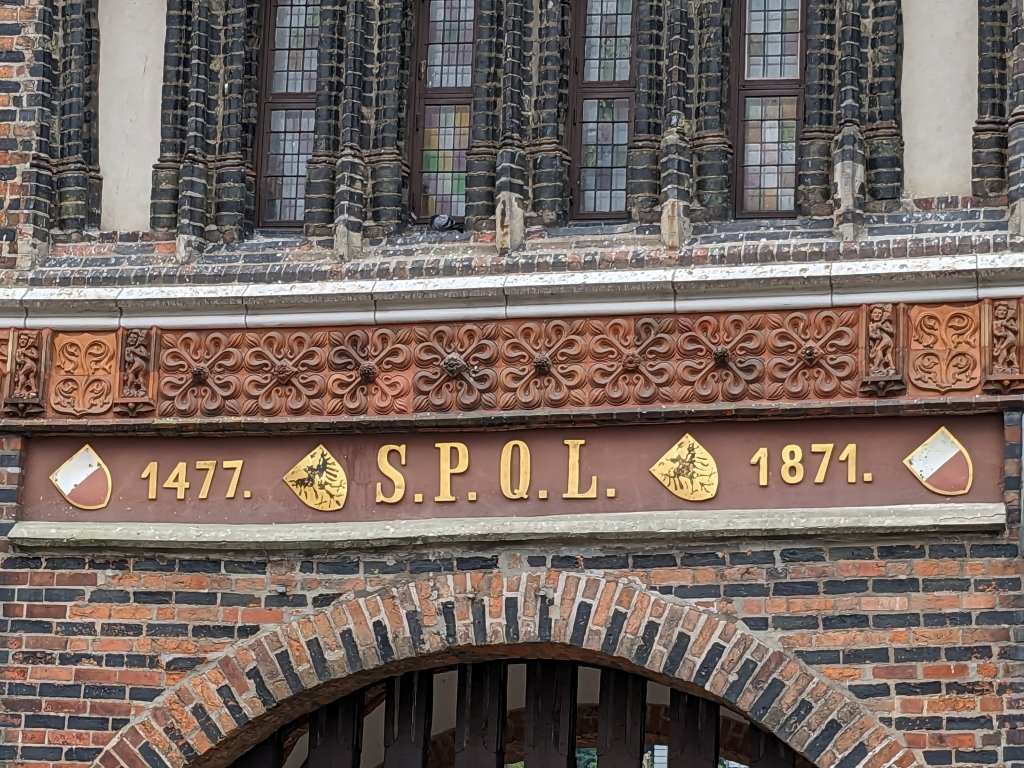

One of the city gates still remains. It looks like the leaning tower and had to be reinforced. Our tour guide grew up in east Germany and throughout our tour he tried to explain to us what it was like to live there and what it was like when the wall fell in 1989. When walking past the gate there were several homeless people, the guide made the comment, “We would not have had homeless people on the east side of the wall”. He stressed that east Germans were all workers and there just wasn’t unemployment.


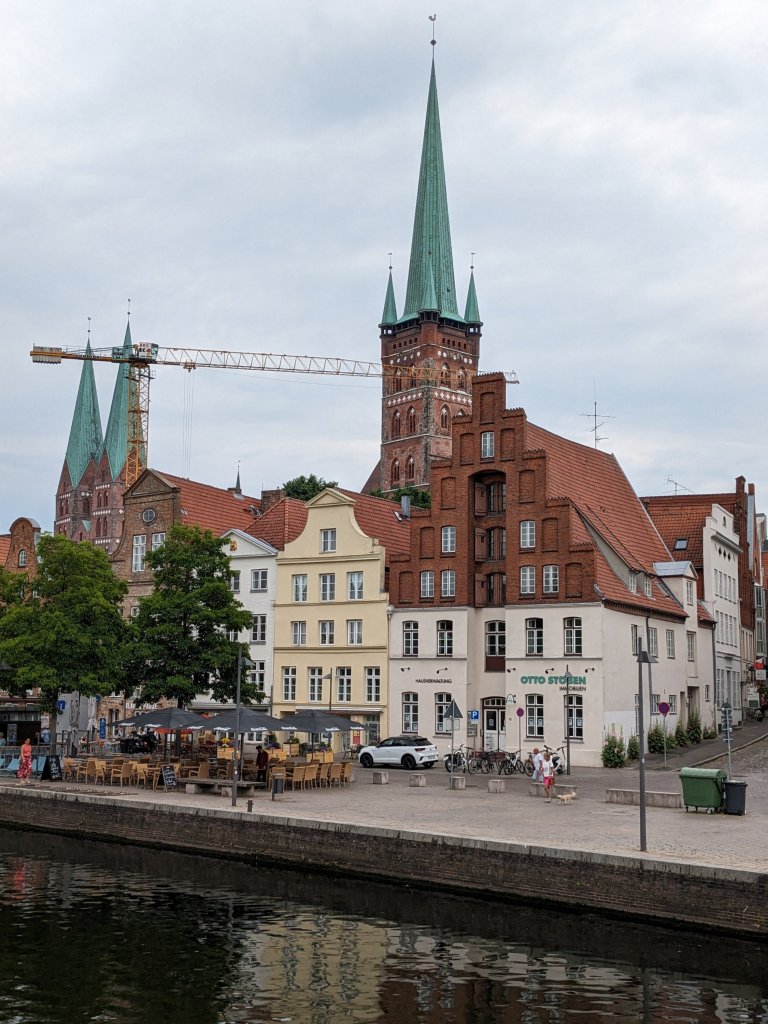

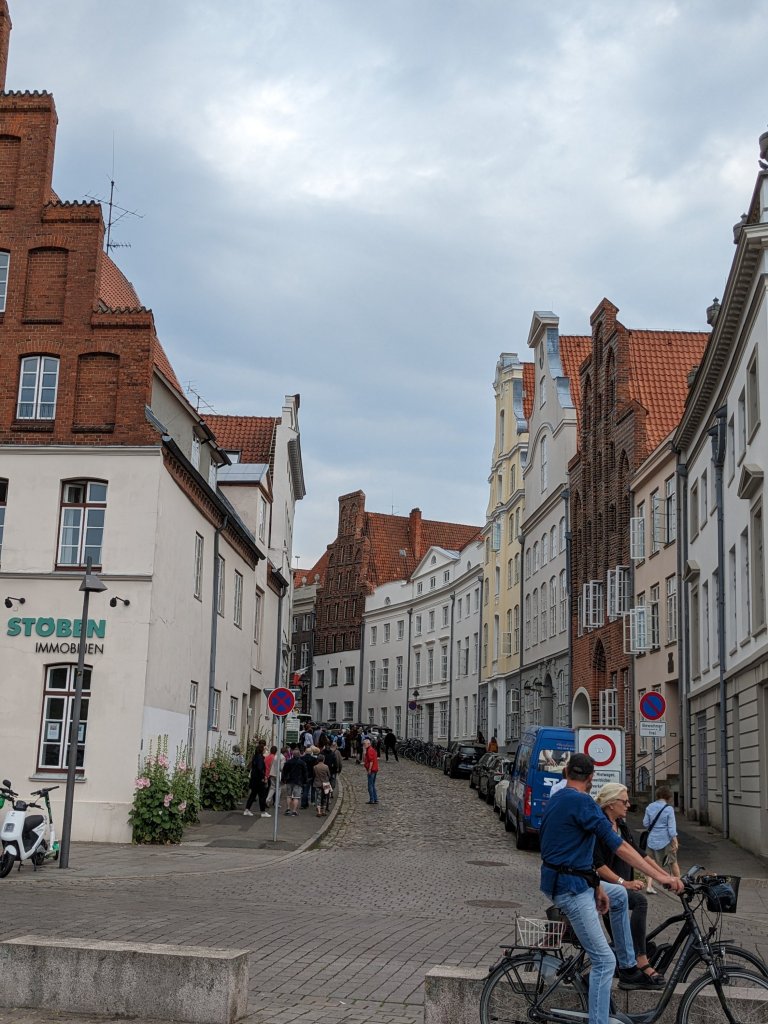
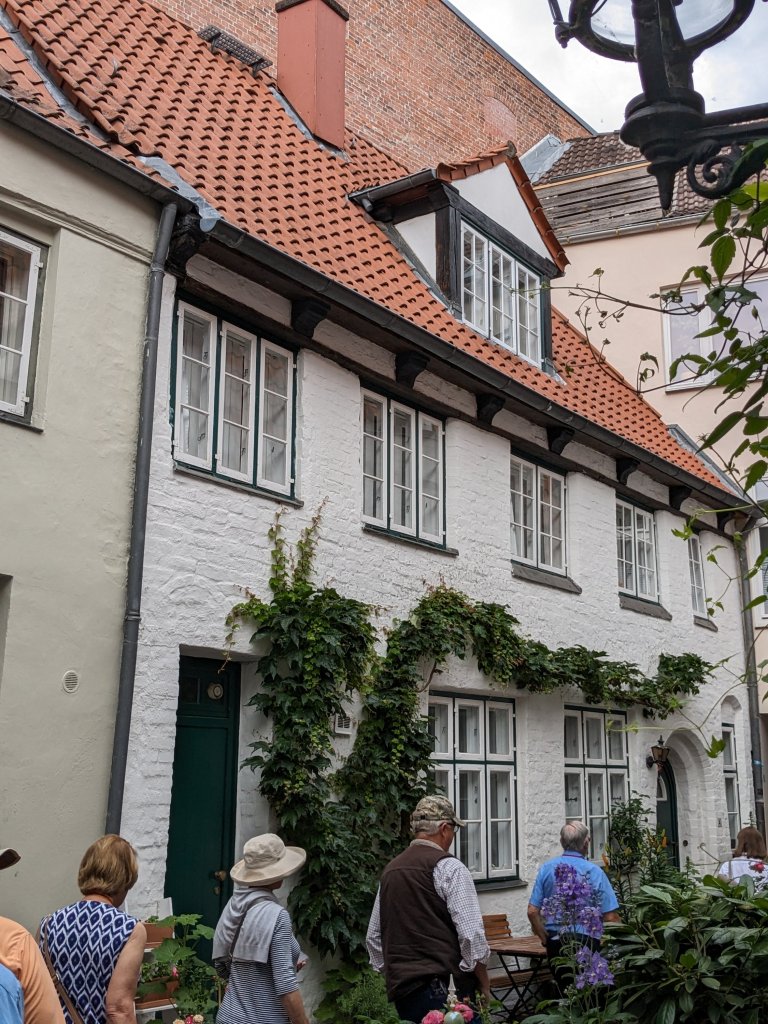
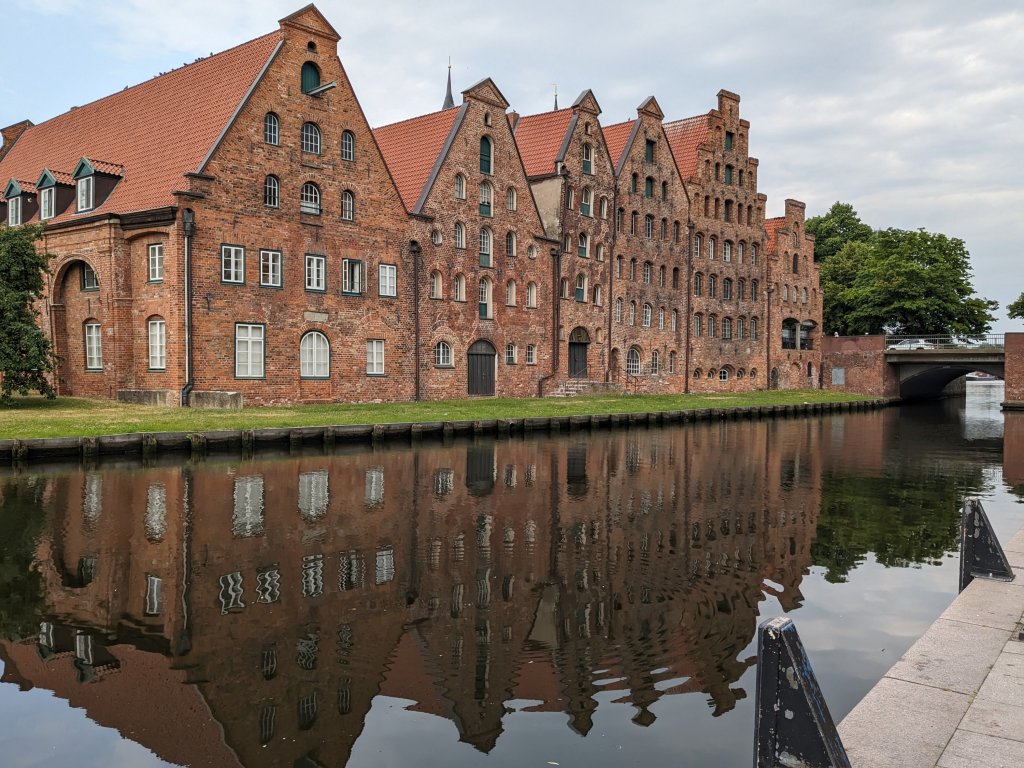
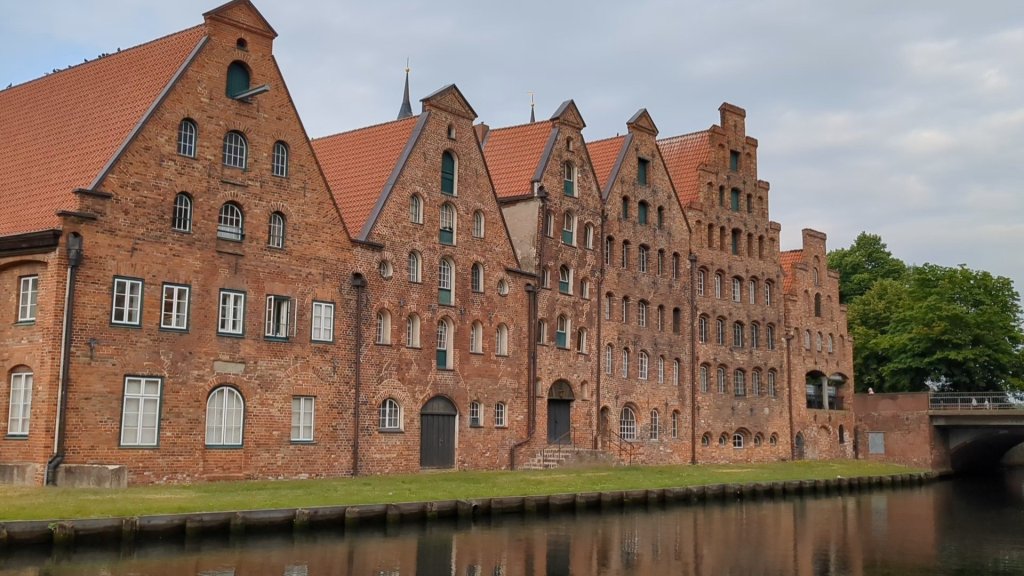
The old town of Lübeck is on an island and has passageways through the middle of some blocks.

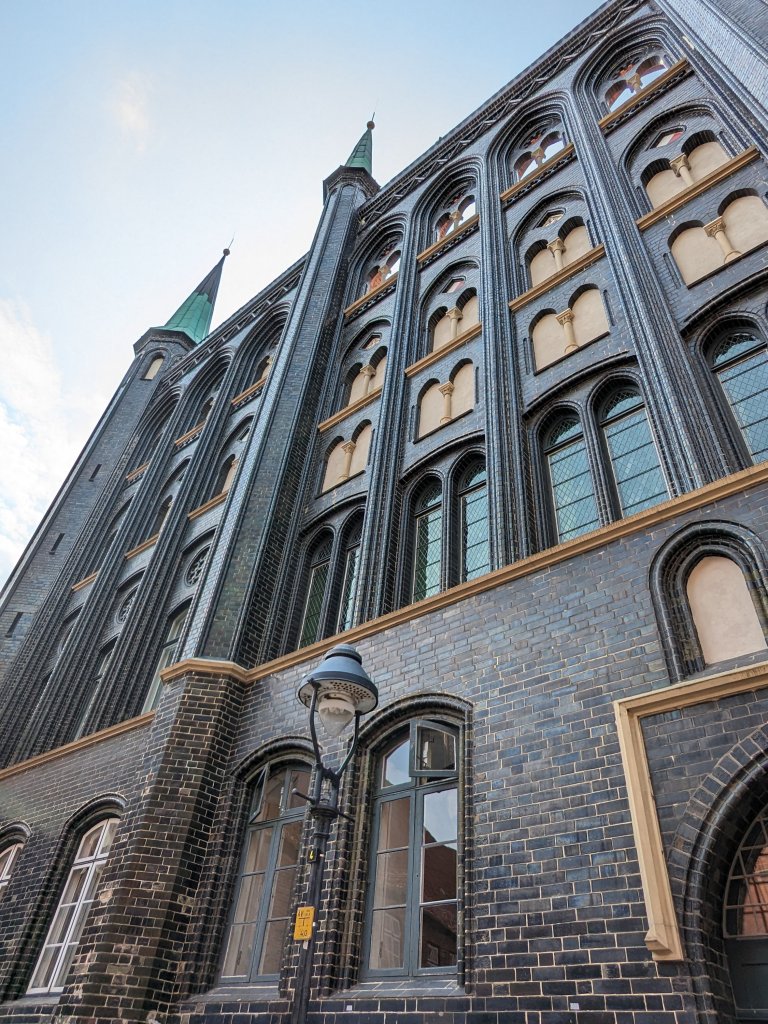

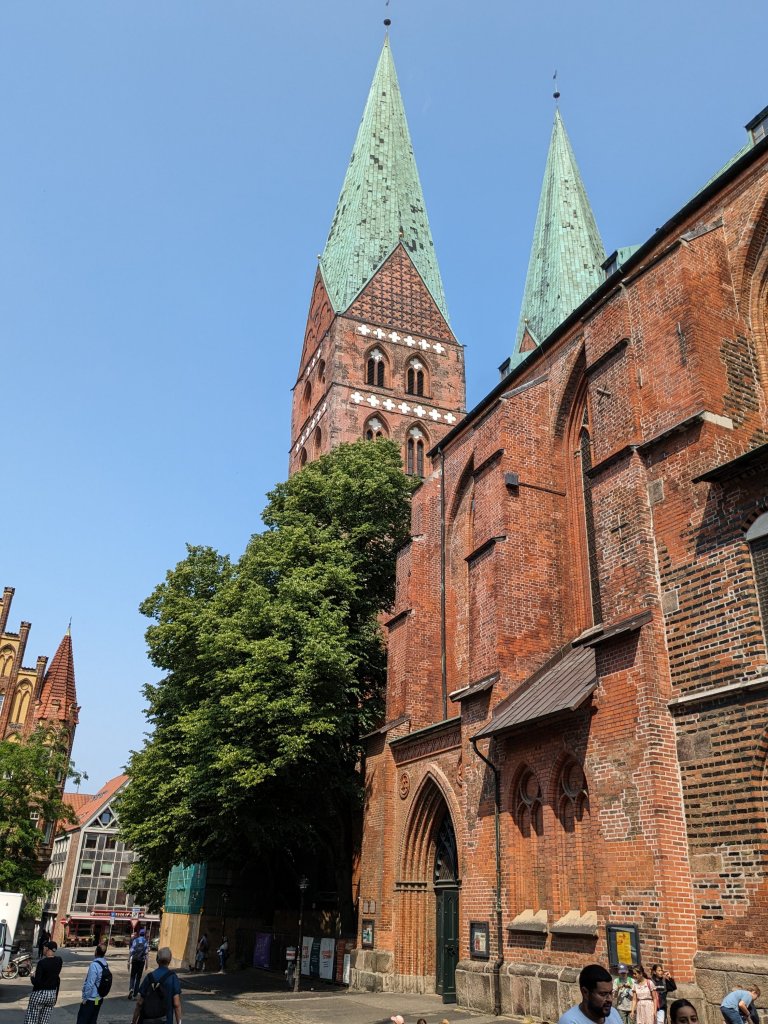


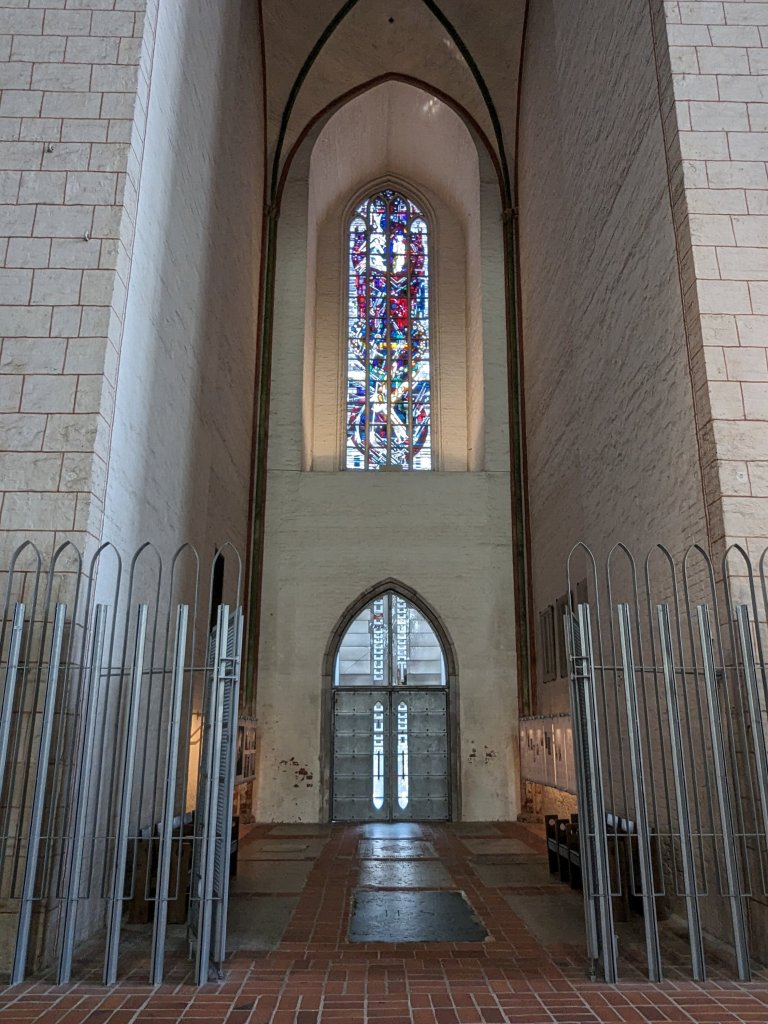

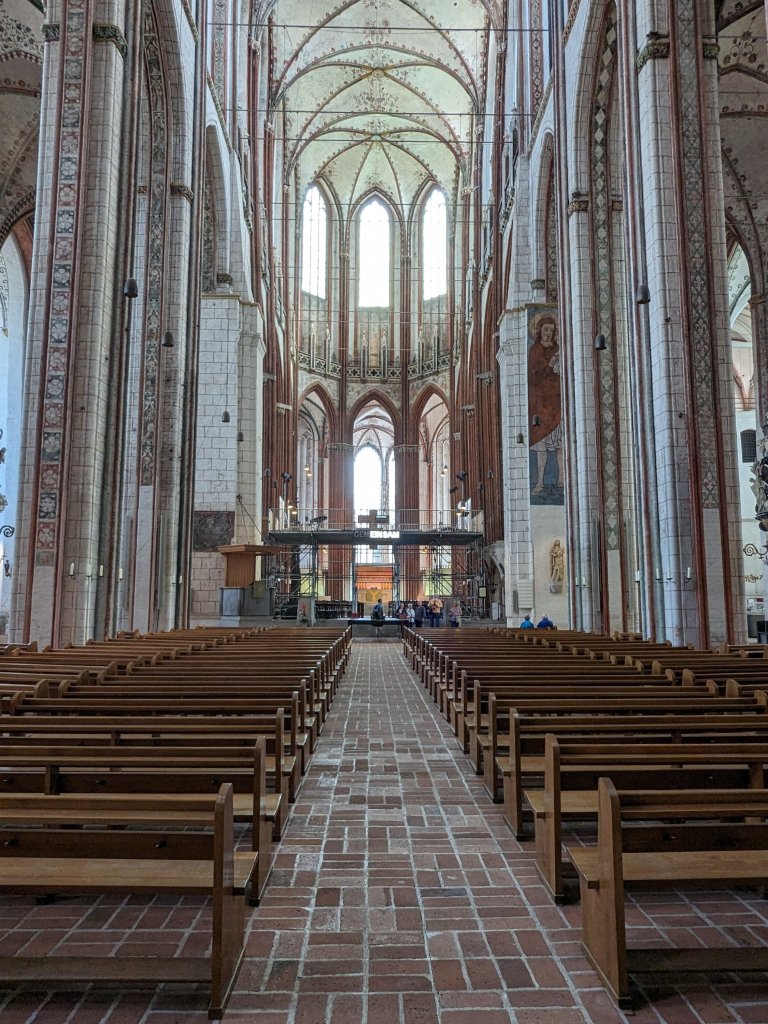
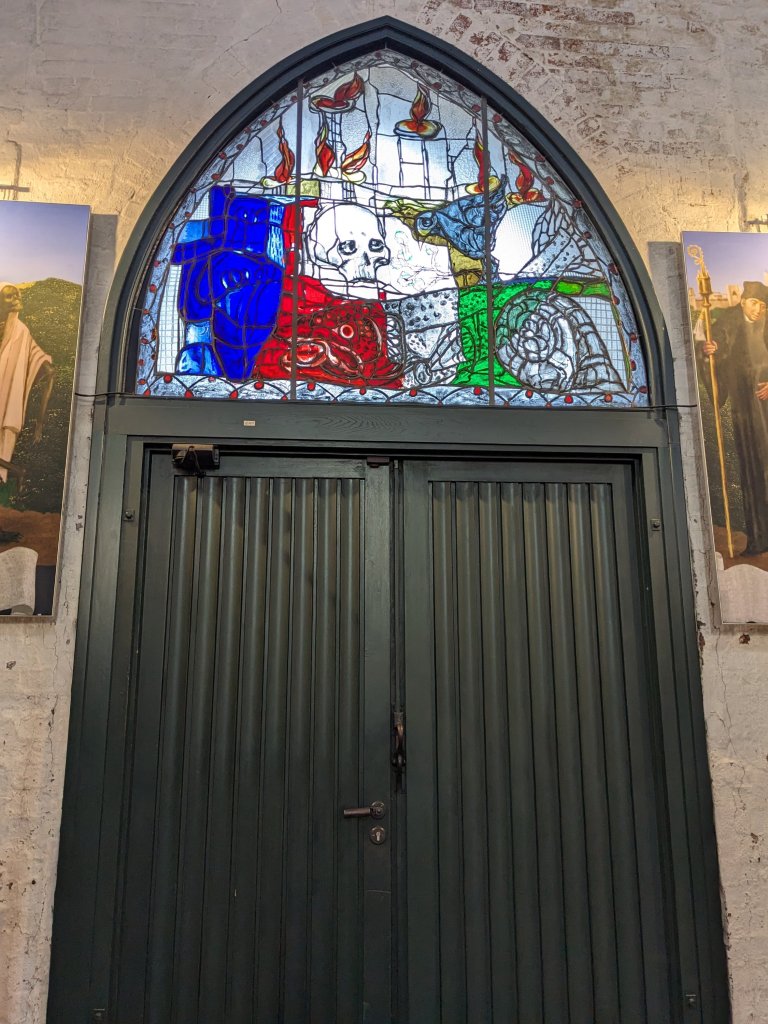
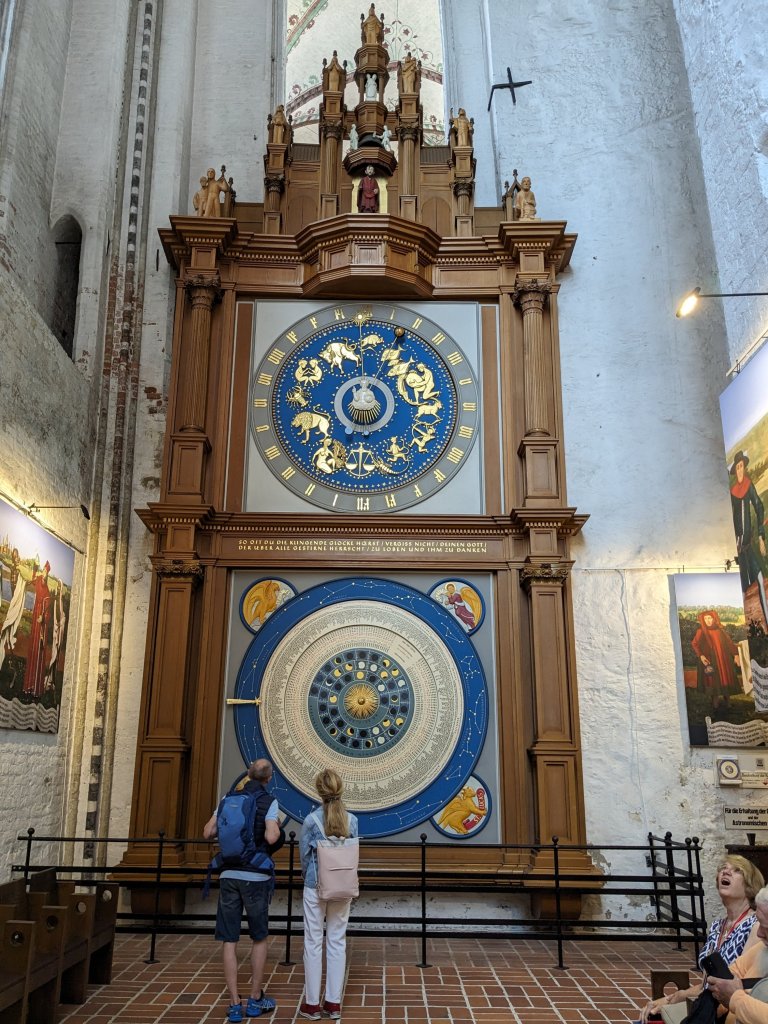
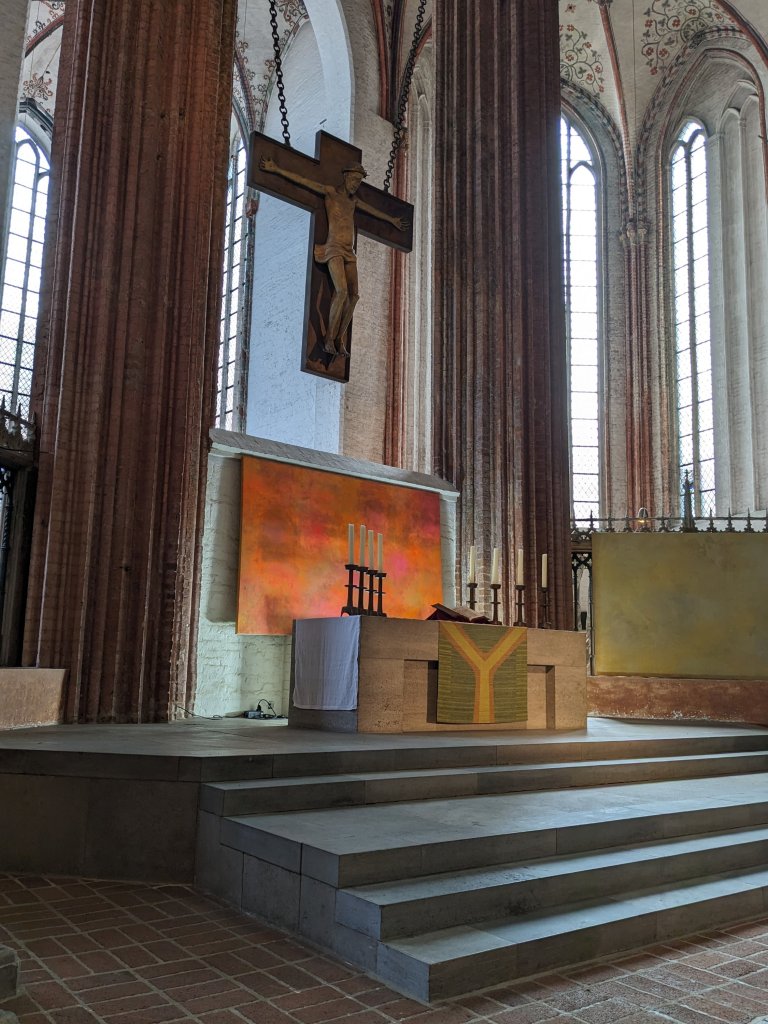
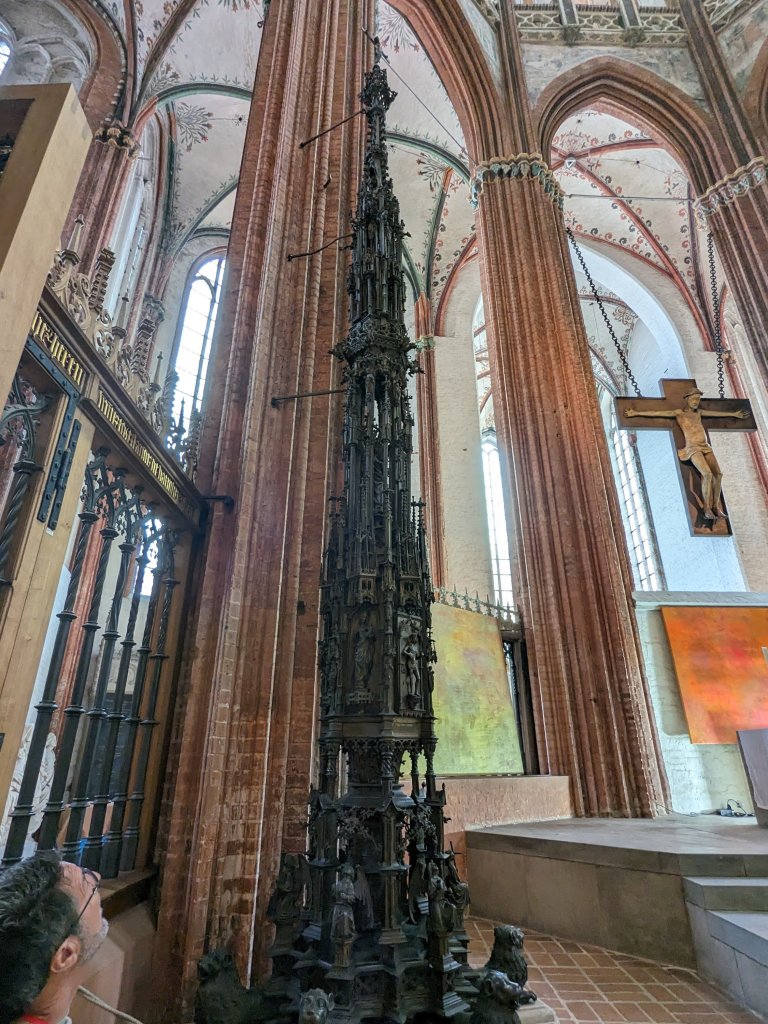
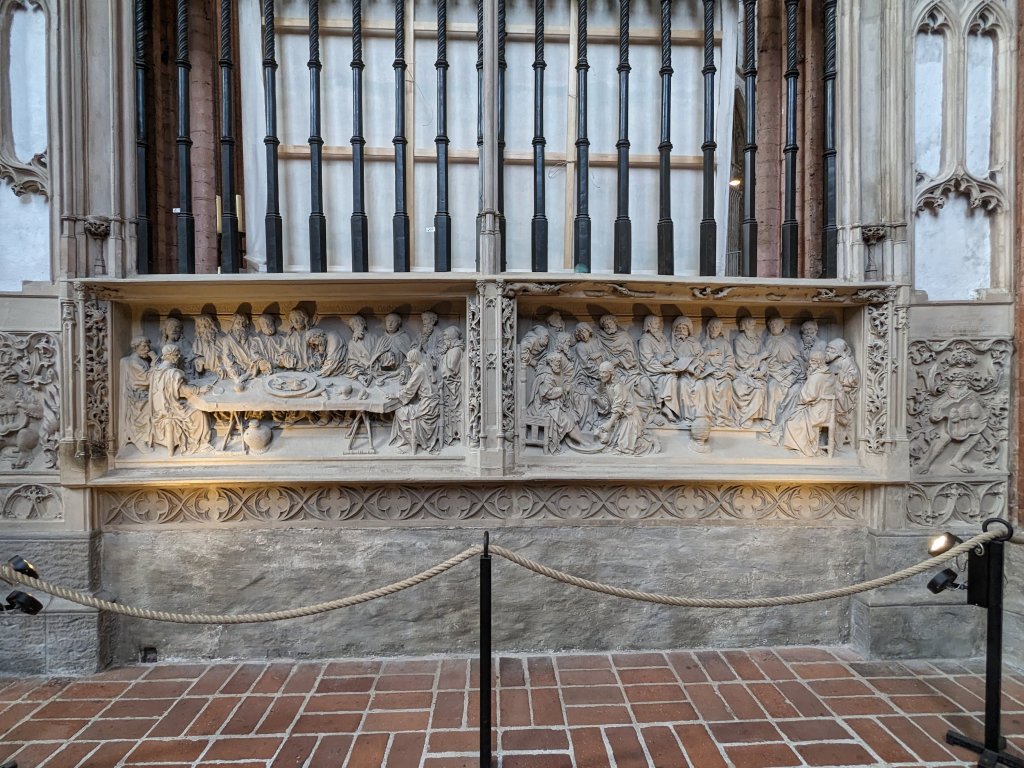

The gothic church called St. Mary’s was built over an 80 year period starting in 1251. The bells fell when the church was bombed in 1942 and were never cleaned up as a reminder of what happened. There is a more modern feel in some places, like the altar. Remarkably the modern doesn’t look out of place, it gives a minimalist clean look to a somewhat unfinished St. Marien zu Lübeck church.
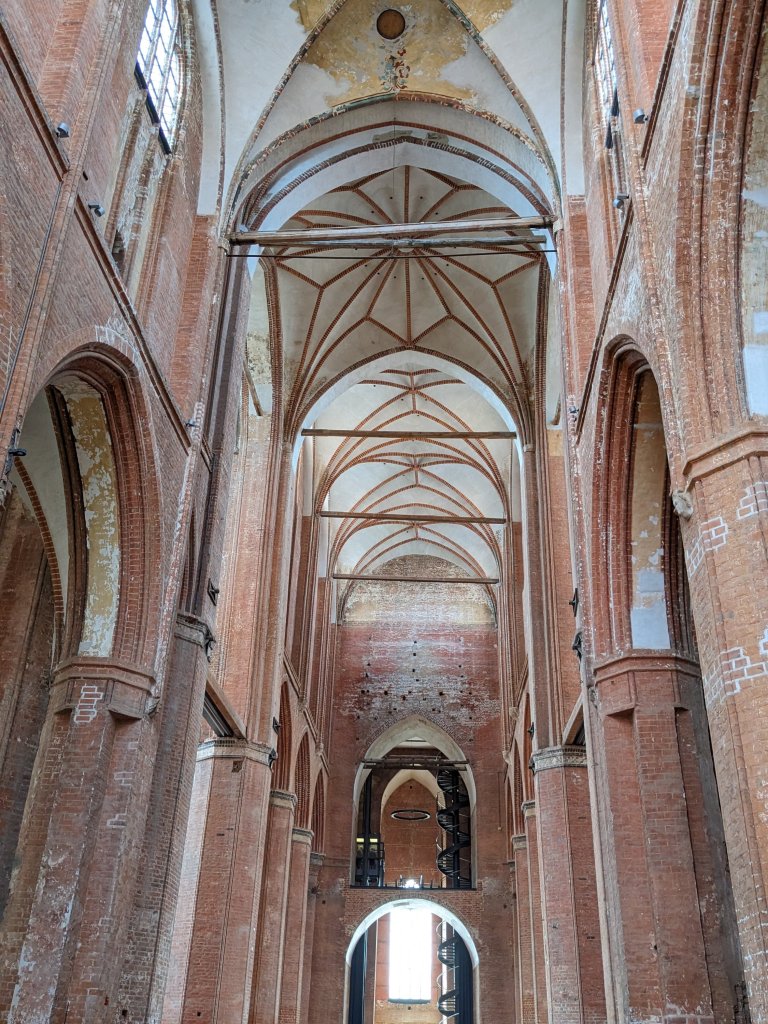
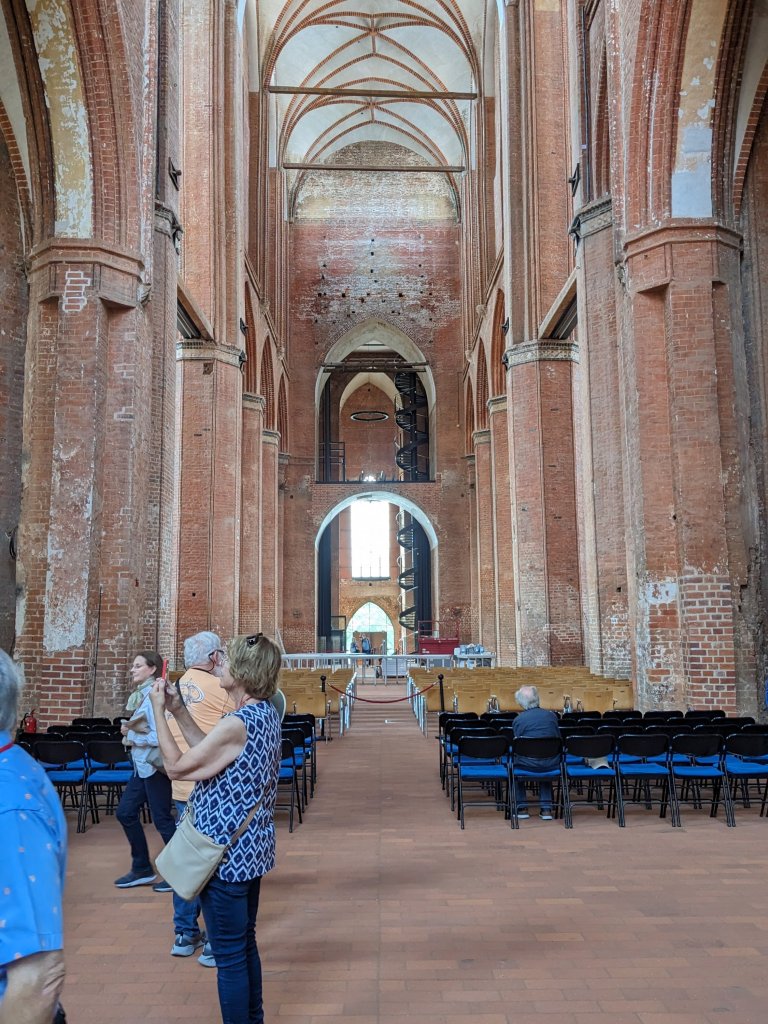
Lübeck was located on the west side of Germany and just a few kilometers away we visited Wismar, which was an east German village. It was interesting to see the difference in the two towns. Most of the east had been bombed and the Russians had taken all or destroyed the rest when they left in 1990. The Germans were then taxed to pay for rebuilding the city, so roads and buildings were new, but made to look as they were. The church that we visited had been made into a theater.

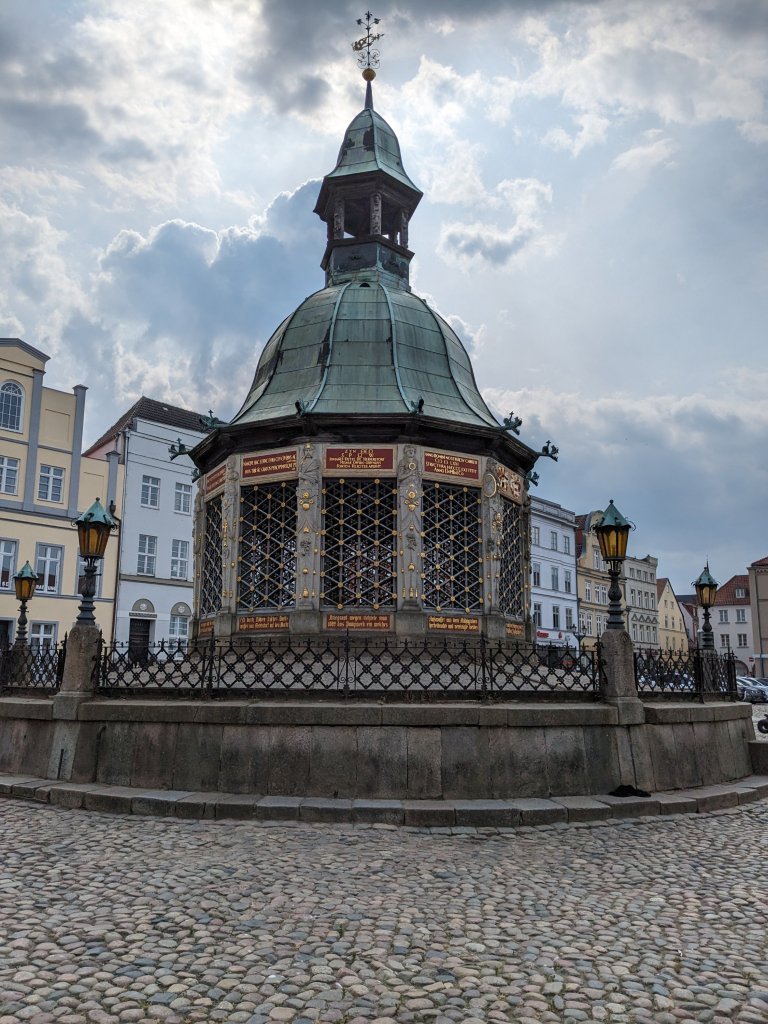
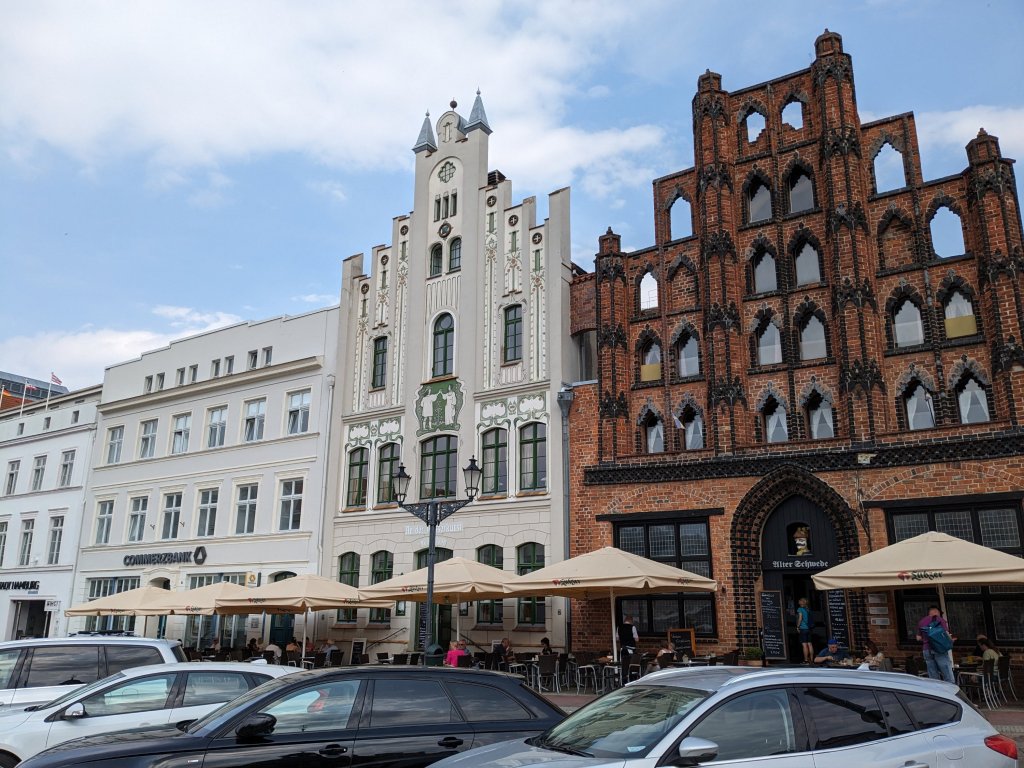




Our guide felt that growing up in the east made him different than other “west Germans”. He told us about how simple his life was as a child. Everyone had the same, from apartments to jobs. They drove the same cars, in very limited colors. They had some money, but nothing to spend it on. When the wall came down it was difficult to assimilate with the country. Jobs had changed in 40 years in the west and the eastern workers did not have those skills. Our guide loves to travel and see the world, that is a freedom he has and doesn’t take for granted.
 Kauffman Commentary
Leave a comment