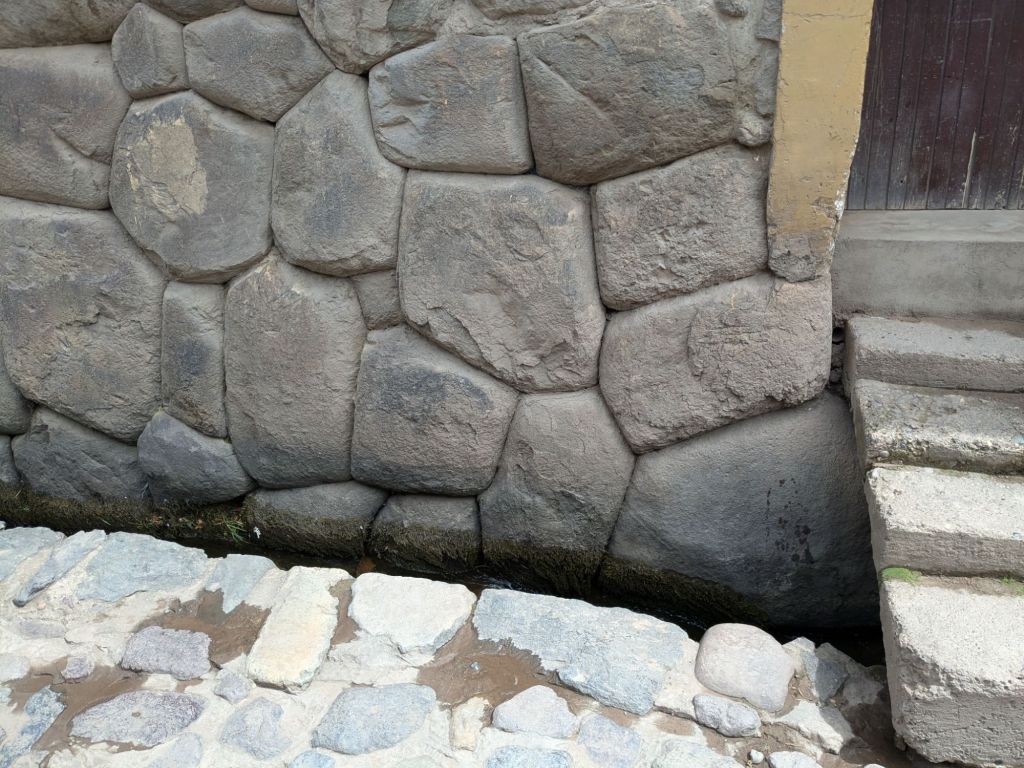
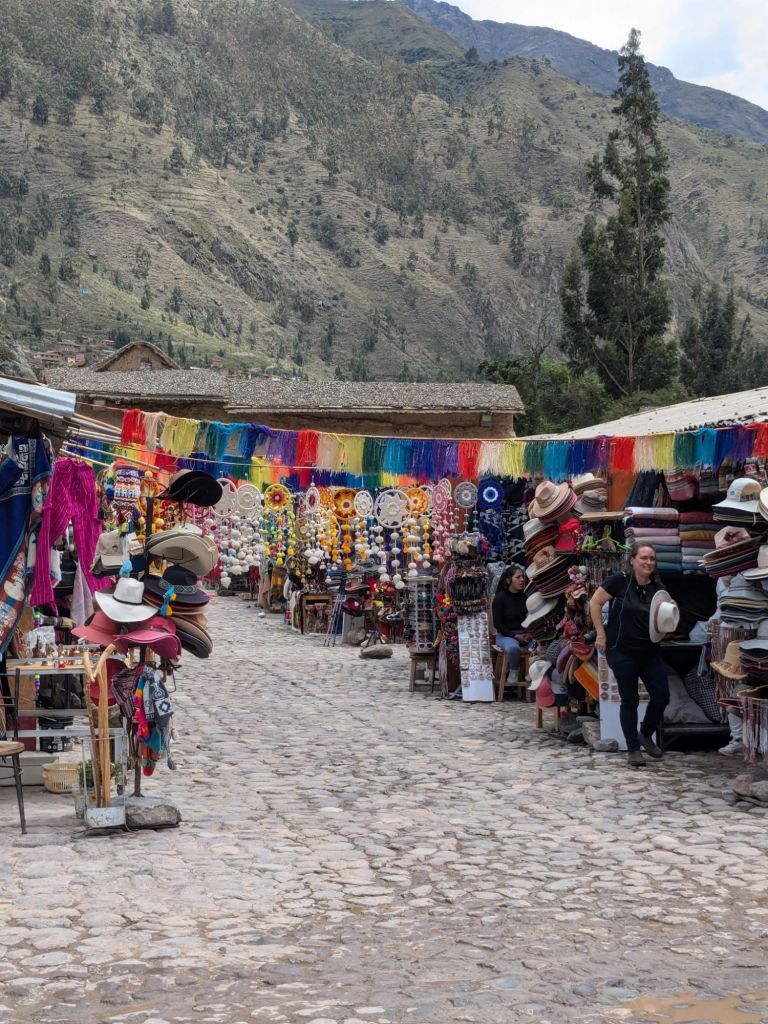
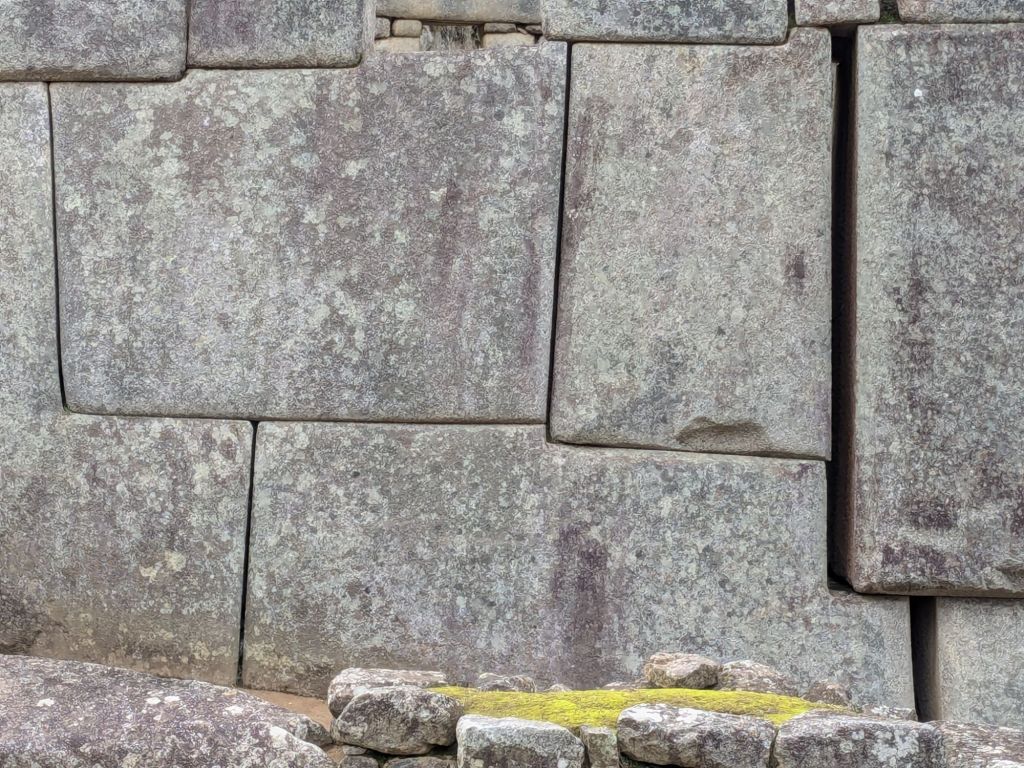
This morning we traveled up to Ollantaytambo and wandered around the village. Most of this area was built by the Incas and restored. The water in the gutters gushed down next to the sidewalks and this was our first view of the amazing stonework of the Incas. The locals were sales professionals, listening for any comment we might make about their products and then pushing us to buy.



When we entered the thatched roof home we had no idea that there were guinea pigs hiding in the corners. When our guide put the food on the floor, they all ran to eat. They are raised for human consumption.
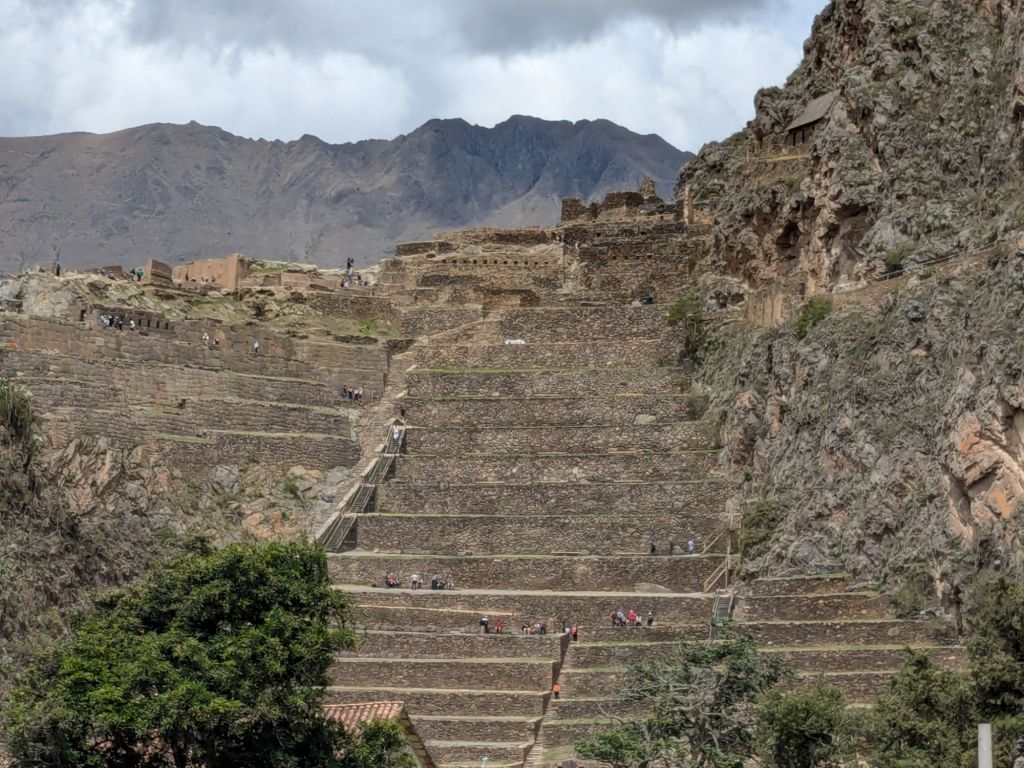
Just a short walk away is an outdoor market at the base of the Inca terraces, where they grew corn, avocados, quinoa and potatoes.


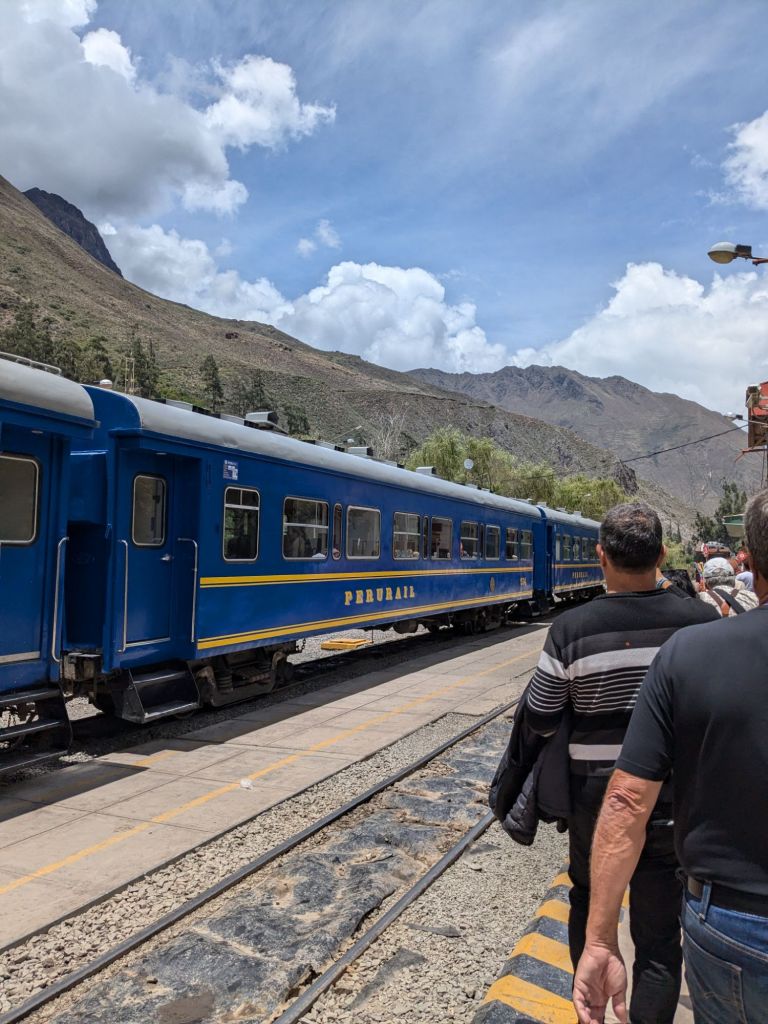
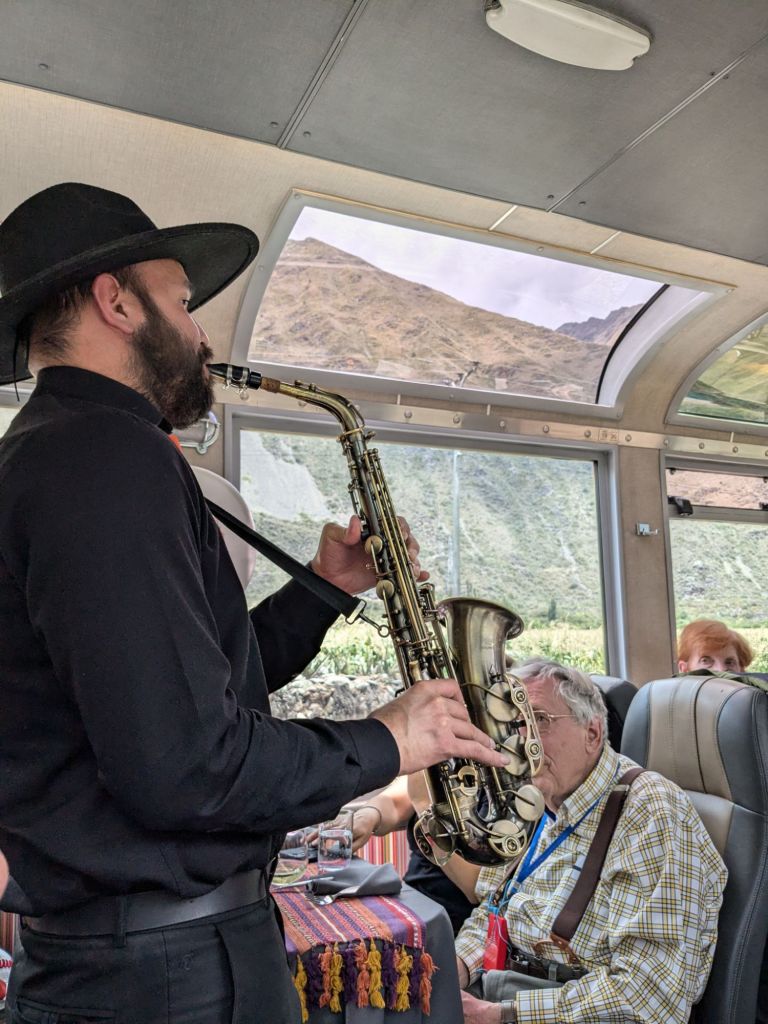
To get to Machu Picchu we took a train (90 minutes) up to the town of Machu Picchu. We were served a three course meal, with beef and polenta in small cast iron pots. As we ate, we were serenaded by a saxophone player.


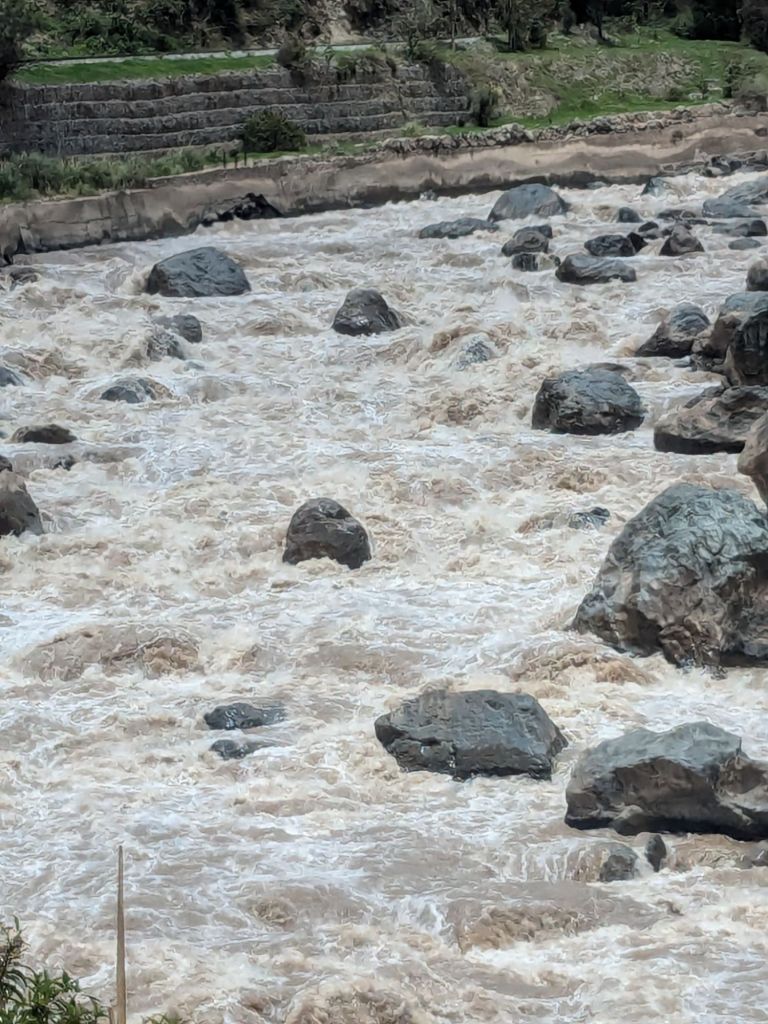


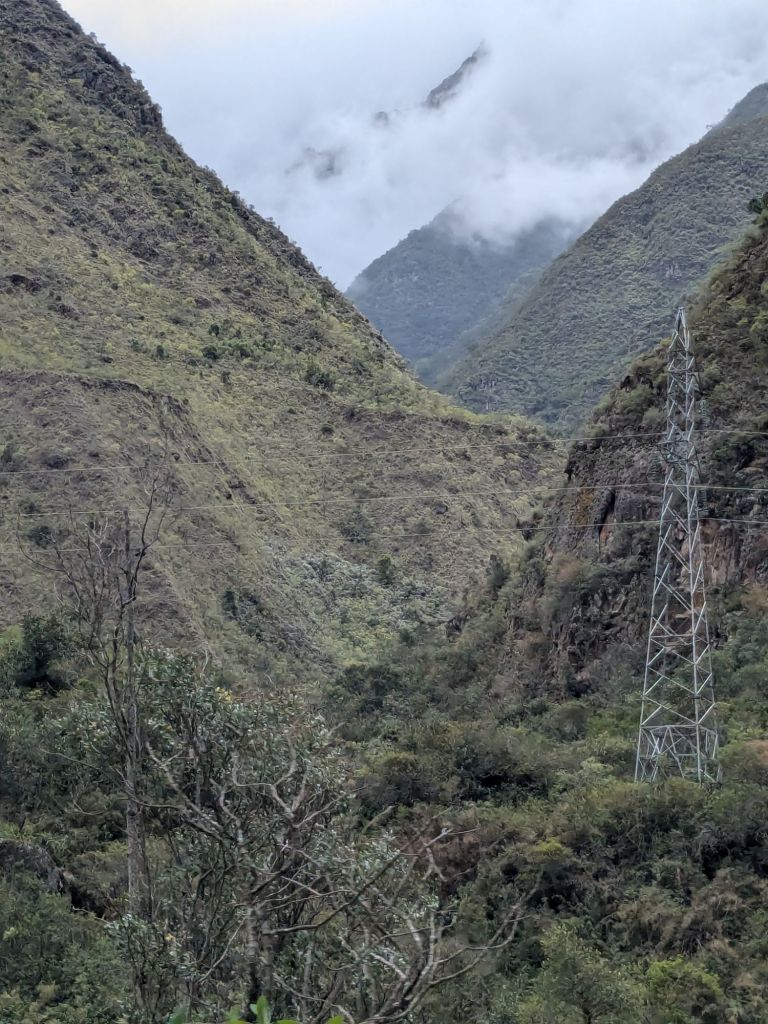


There was a frenzy of all nationalities getting on the buses to the top. Bryan was loving the harrowing views and I was praying and closing my eyes. The road up was basically a single lane and the buses met and squeezed by to make their way up and down.


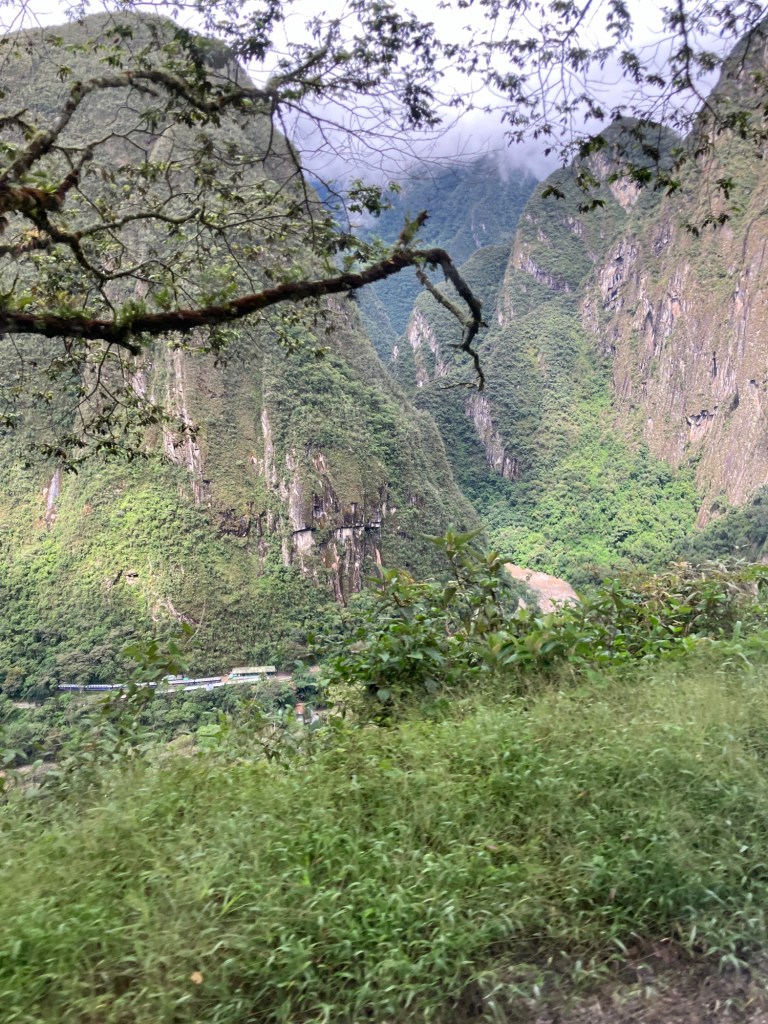
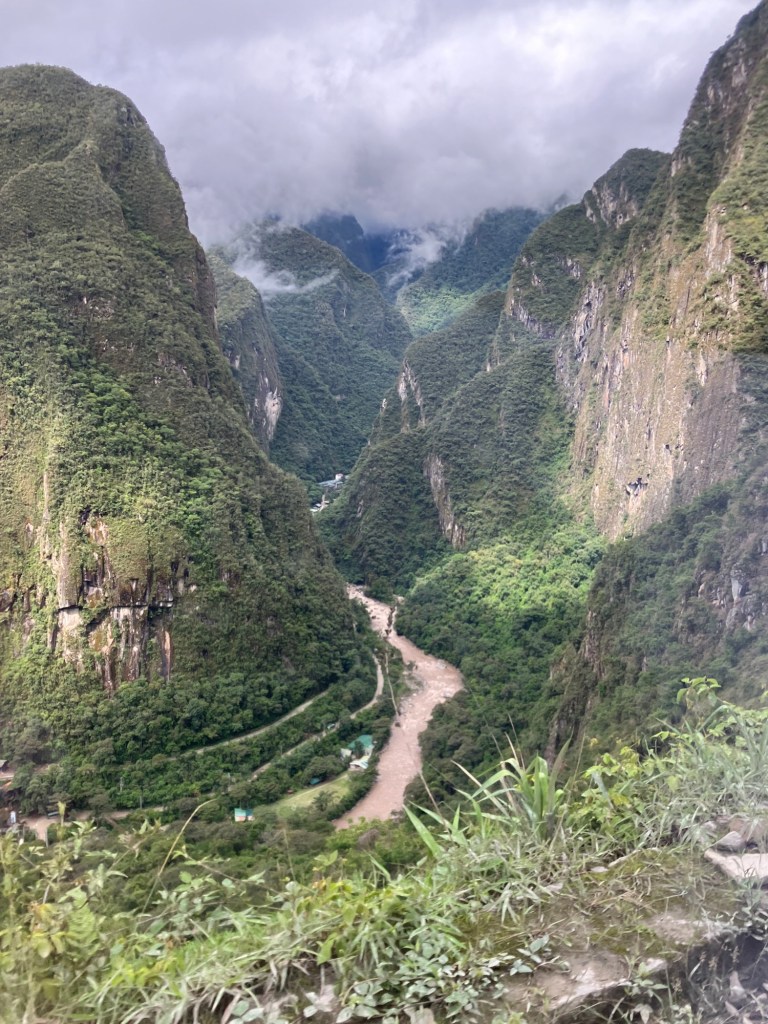
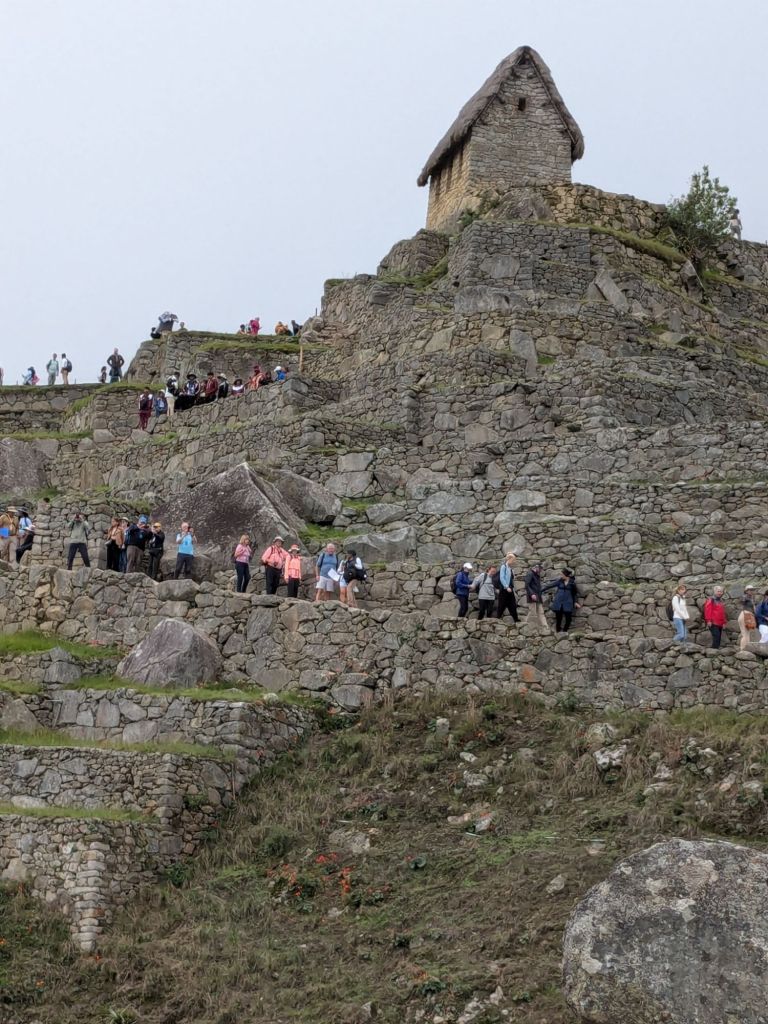
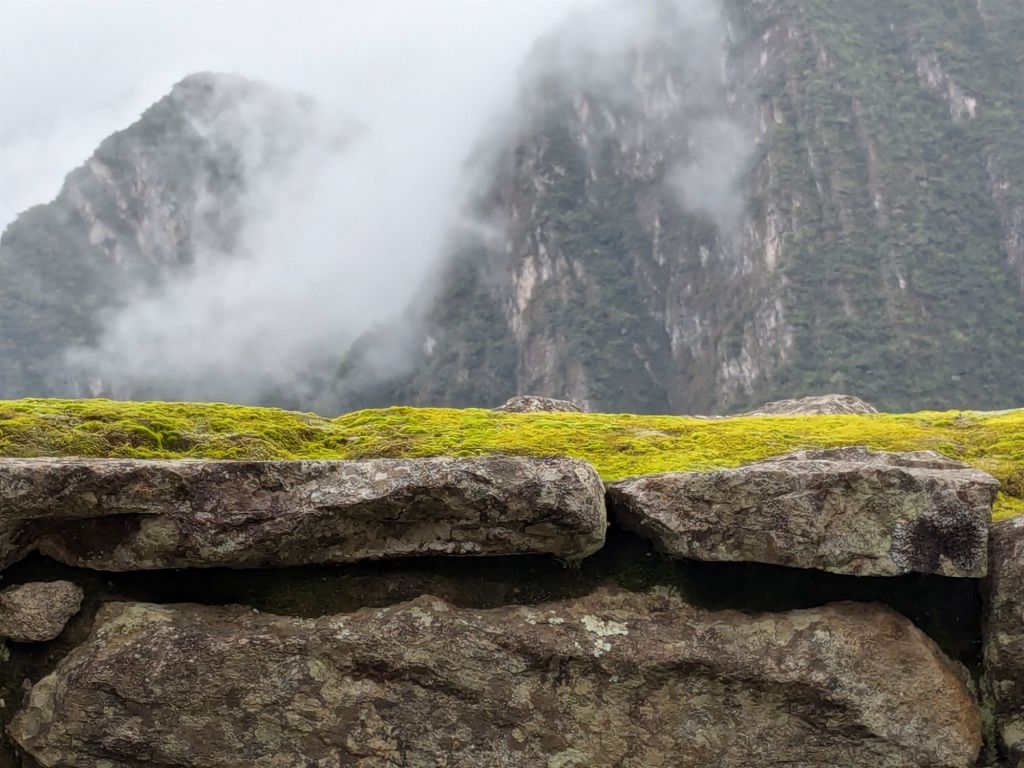
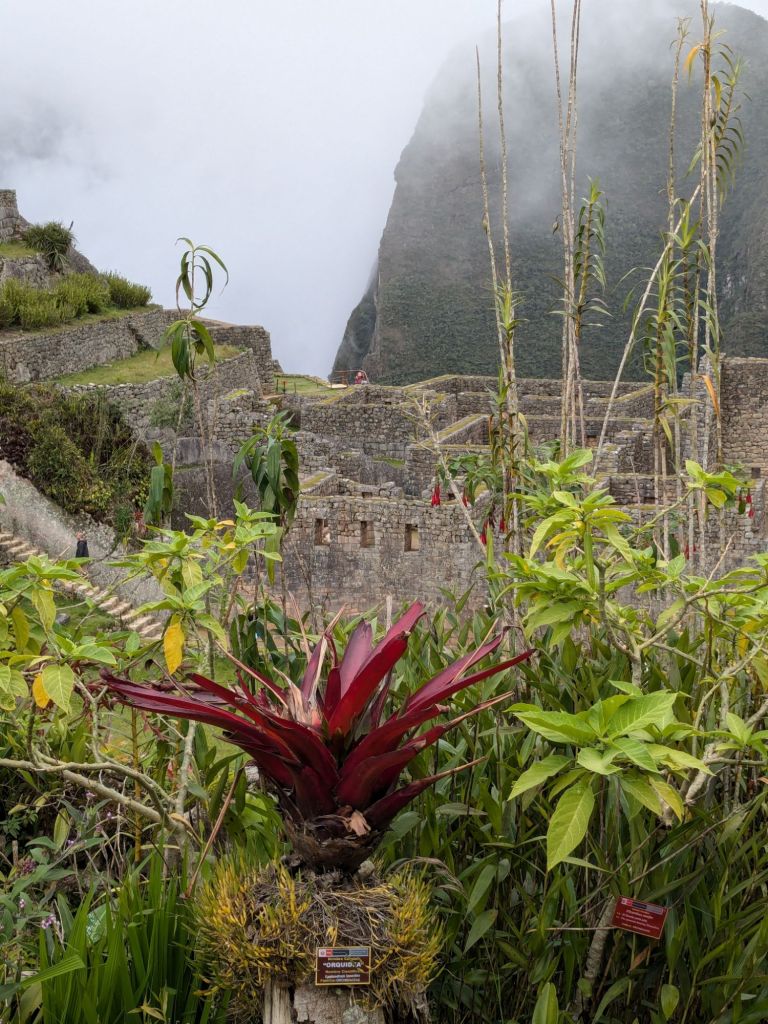
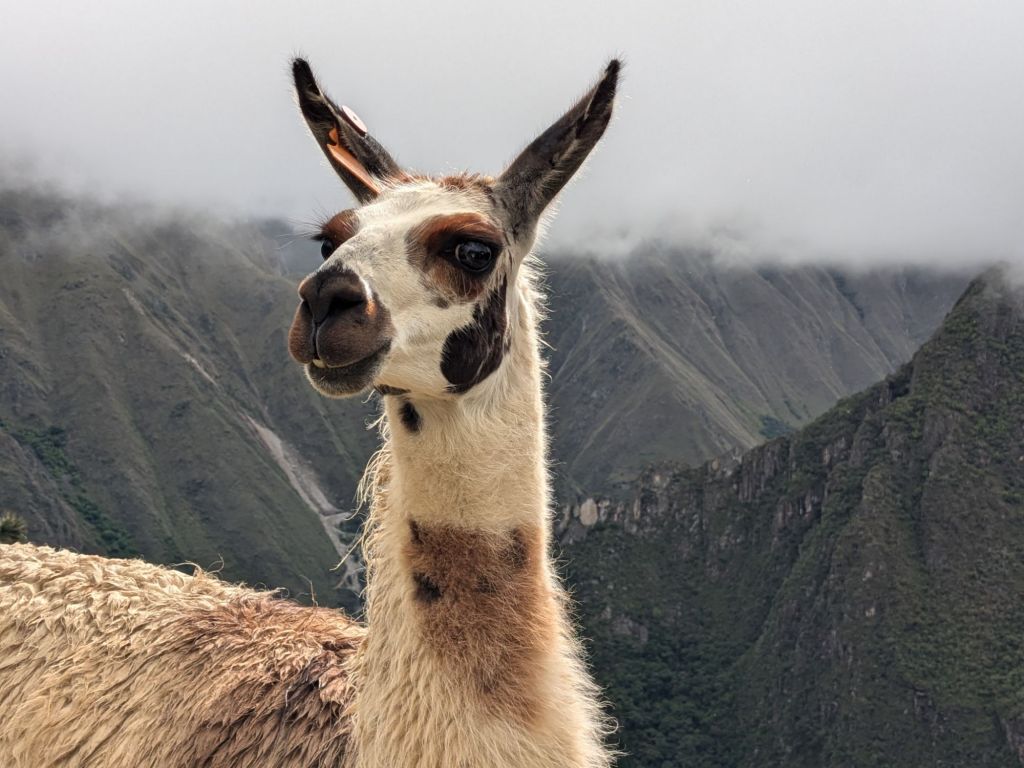
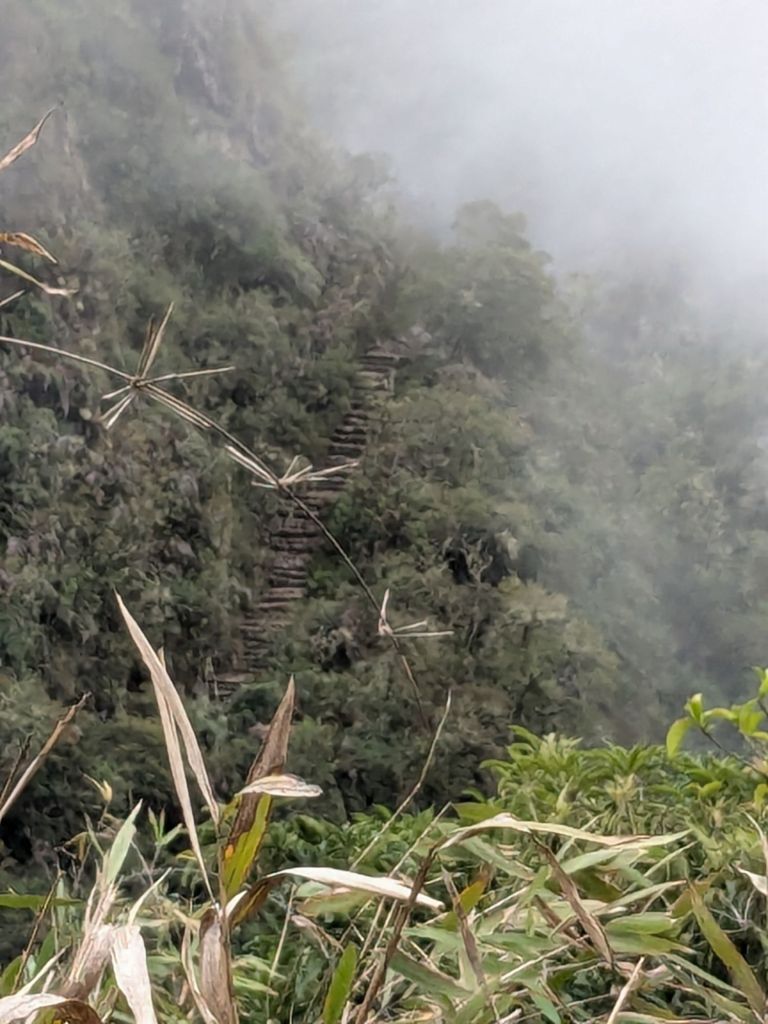
The first few steps upward, when I already felt as if I should be at the top were scary. Then the initial crowd from the bus dispersed and it was just our small group of six. It was surreal with beauty in every direction.


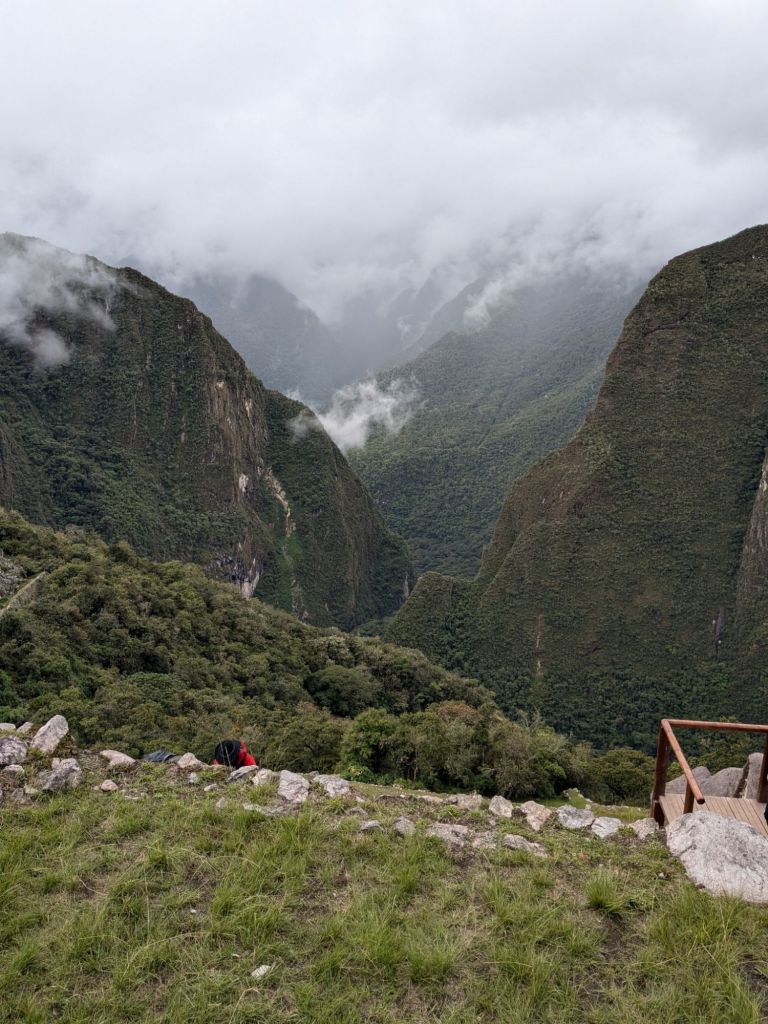

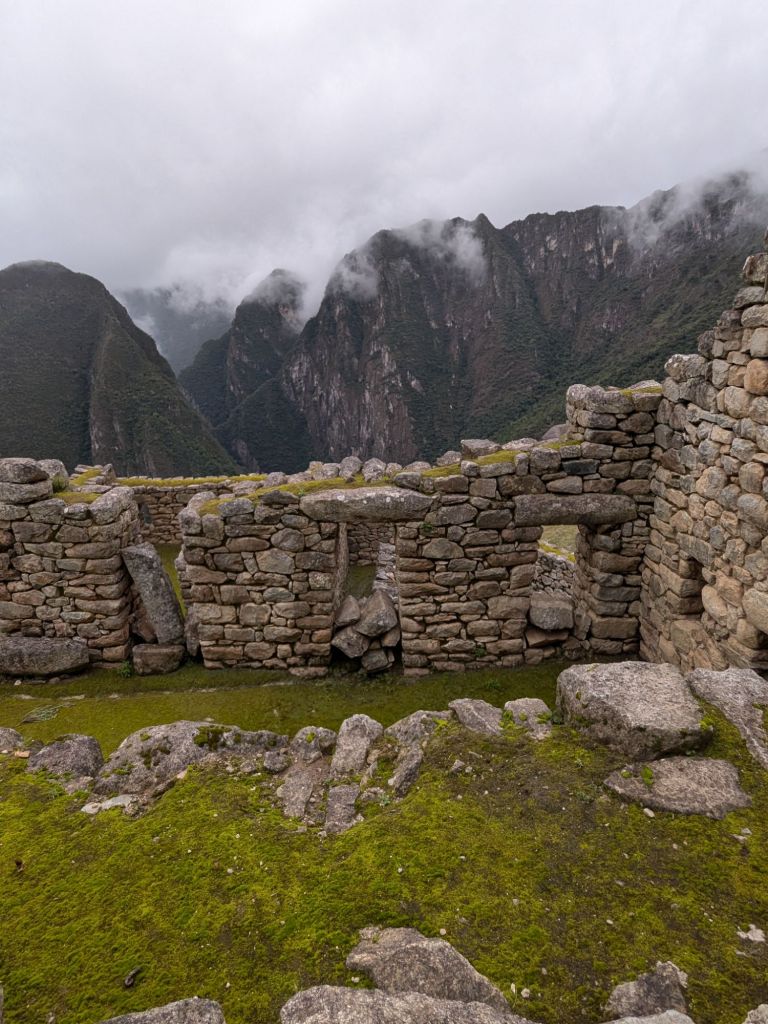
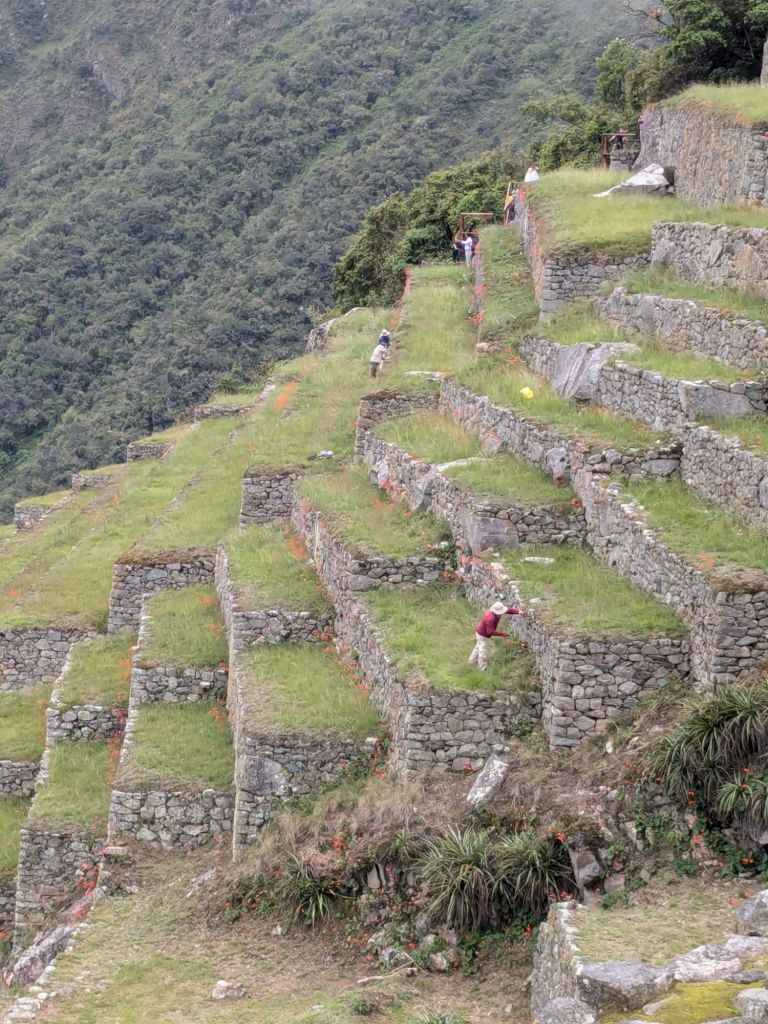
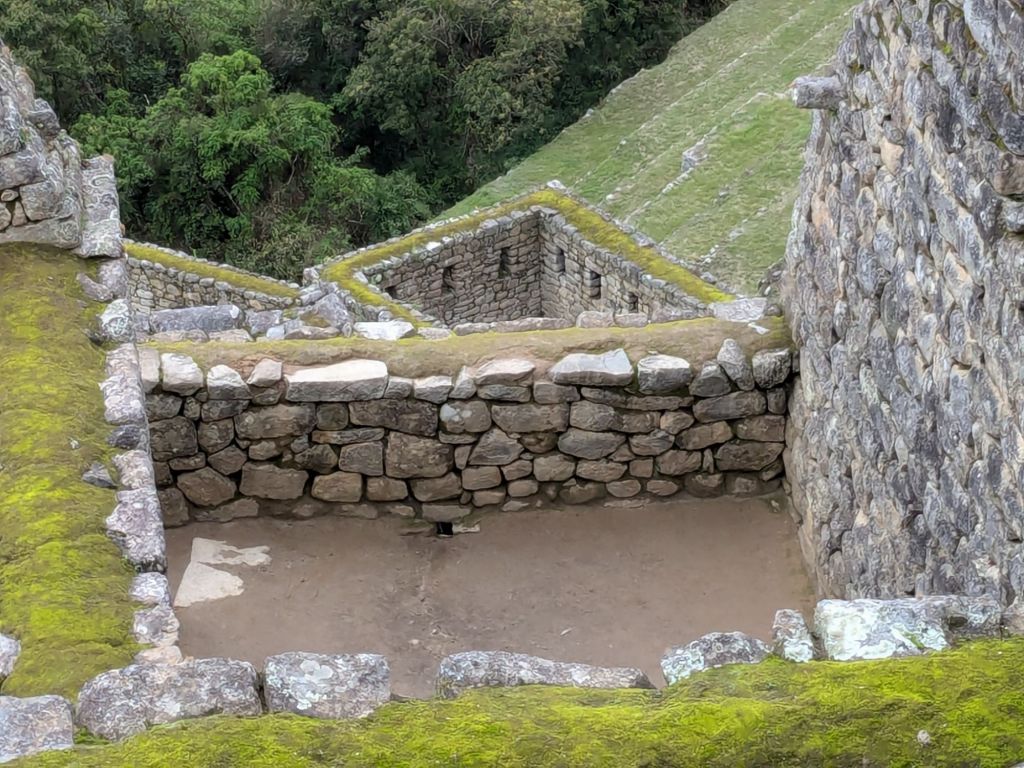
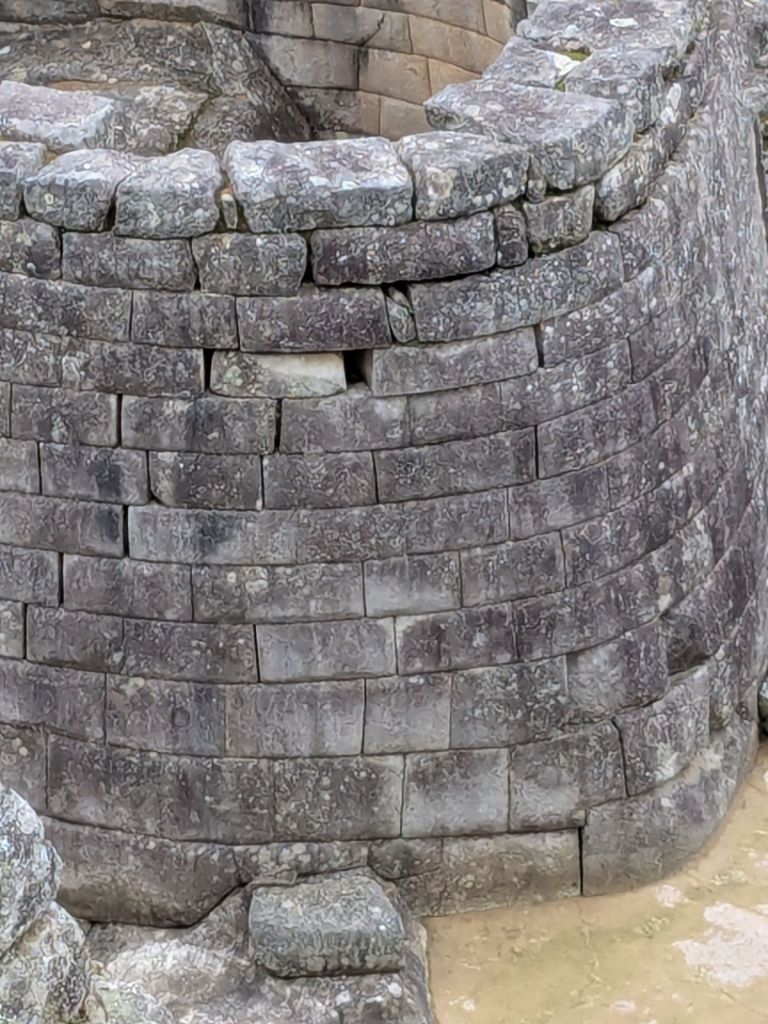
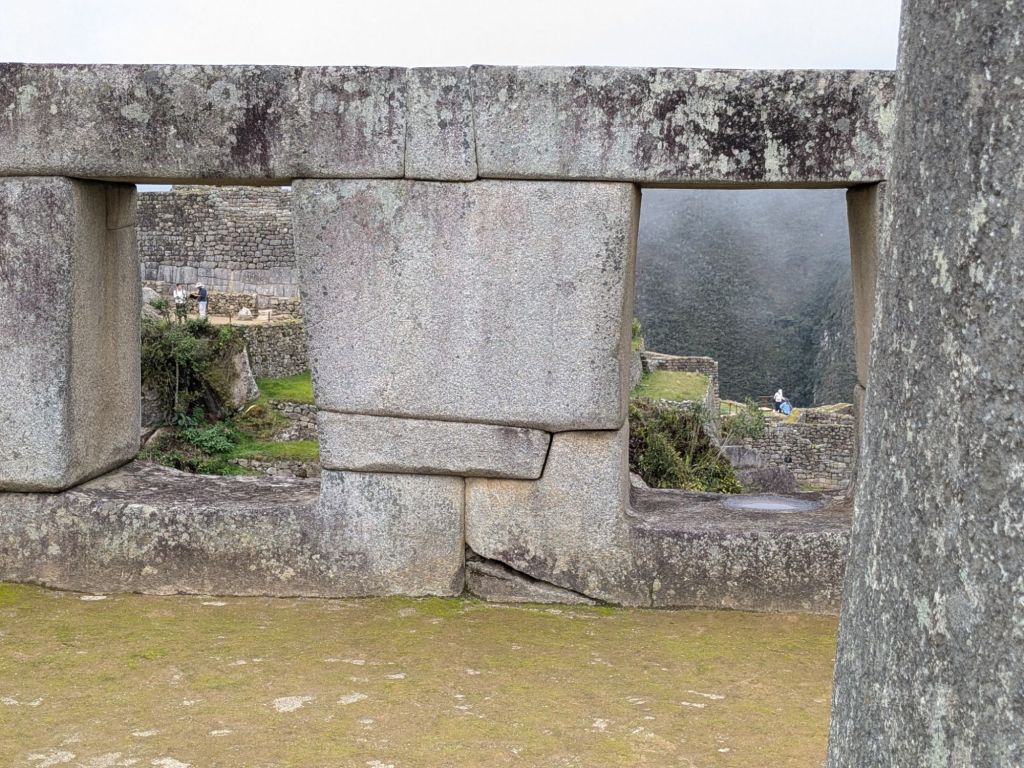
In 1450 the Incas began building Machu Picchu. 600 terraces (12 acres) for drainage and to grow mainly Maize, potatoes and avocados. 170 buildings that would have had thatched roofs and were set to orient with the sun. 16 fountains for drinking water, fueled by a stream and transported by a stone lined 2,450 ft. canal. The stones of white granite were cut so precisely that a business card cannot fit between them. No mortar. There are many earthquakes in the area and the stones just bounce and remain in position. They used rock to carve the rock from the river. The granite comes from a bed close to the site. Some weigh up to 20 tons, some think they used log ramps to move the large stones. The Incas were known for their road system which includes about 19,000 miles of roads across the continent. The Inca empire covered most of the west coast of S.A. and that measures close to the width of the U.S. The Spanish came to the area in the 16th century and brought Smallpox to the Incas. Millions died and then many more died in the civil war. In 1540 Machu Picchu was abandoned. By 1572 the Spanish had destroyed the Empire of the Incas. They were very impressed by their gold and settlements, but they never found Machu Picchu. The Incas did not have the fire arms and armor that the Spanish had, so they could not survive.
The city was lost until 1911, when Hiram Bingham from Yale University went to look for the city of Vilcabamba. This city was where the Incas moved after the Spanish came to get away from them once they came to Cuzco. Instead he found Machu Picchu. In 1912 he returned and burned the city to uncover the buildings. It had vines and grass growth covering most of them. He thought it might have been a convent, because there were so many skulls of women. Another issue was that 300- 350 people could live in these buildings, but there were not enough terraces to feed that many people. In 1983 they determined that the “Collas” were the craftsmen that probably built the city. 1983 was also the year that it became a world heritage site. In 1998 it was decided that there were as many men as women and the women had been child bearing, so that debunked the convent idea. There are many unanswered questions about the Incas, but it is totally true that they were an incredible civilization.












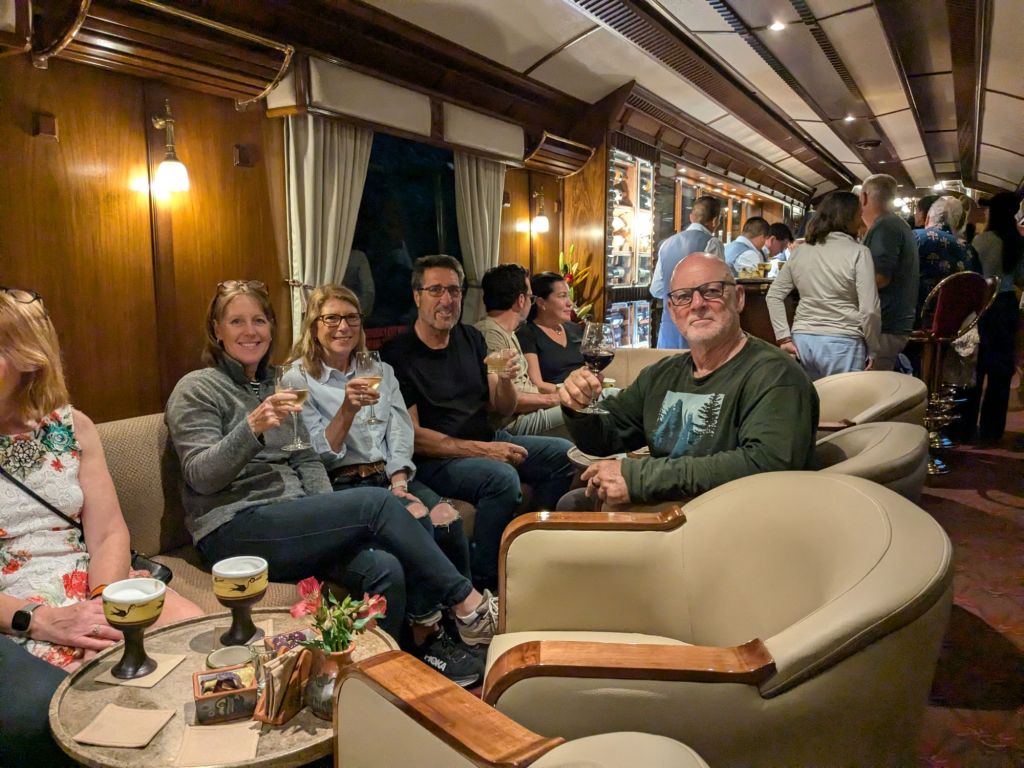
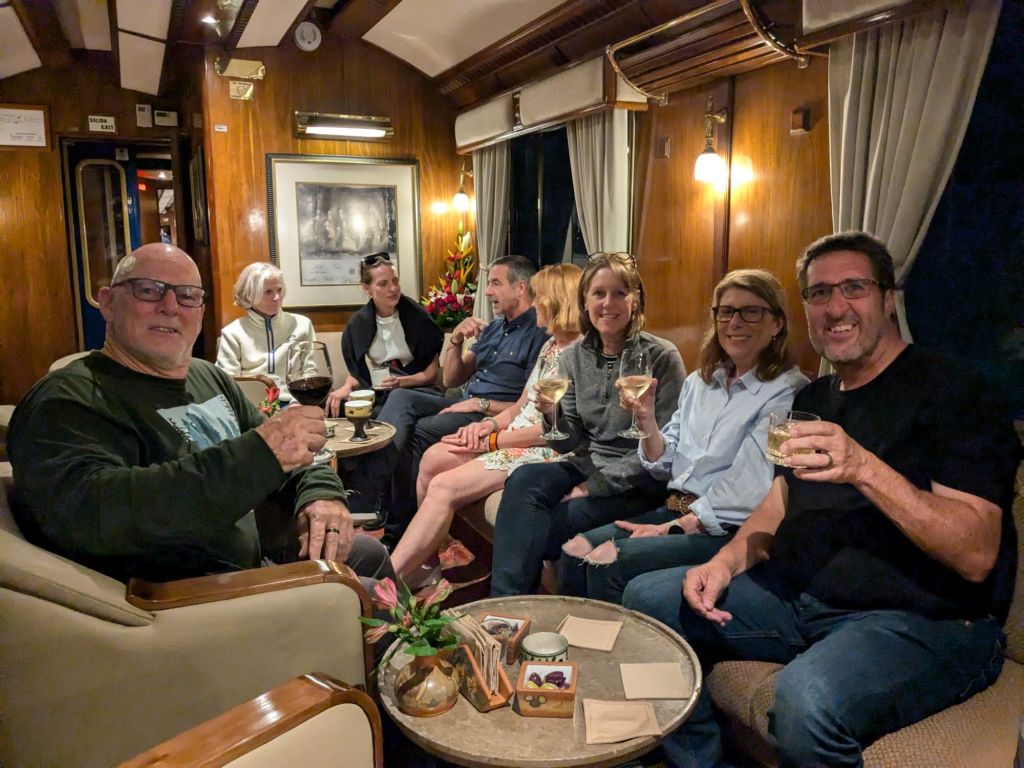
To get to Cusco we took the Hiram Bingham 1920 replica train. Amazing food and an open bar. It was quite an end to a dream day.


 Kauffman Commentary
Leave a comment