
Today was a long day, with our bus leaving for the Normandy beach at 7:30. We had an hour and a half ride to the Normandy museum where we saw the history that led to the second world war and ended at the landing at the beaches on June 6, 1944. Interestingly, the French never say invasion when talking of this event because invasion refers to an uninvited guest coming in, not a friend.
There were landings at five different beaches on June 6, 1944, two by Americans (Utah and Omaha), two by Brits (Sword and Gold) and one by Canadians (Juno). There were also paratroopers landing at Pointe Du Hoc (Americans) and Merrville (British).
Five thousand ships with 160,000 soldiers set off from England with the intent to land starting at 6:30 a.m. Extensive bombing ahead of the landings were suppose to knock out many of the German embardments, but the bomber pilots were afraid of dropping their munitions on the troops, so they delayed just a few seconds and dropped the bombs behind the guns and pill boxes.
These beaches were chosen because they were sandy, and a previous landing at a gravel beach by the English proved that the tanks and vehicles couldn’t manage the gravel. Casualties were extremely high, with some units experiencing as many as 66% killed or injured within the first thirty minutes. There was one road and a few washes through the bluffs off Omaha beach and these were highly defended by 8,000 Germans. The second wave recognized the issue and scaled the bluffs to flank the German locations, freeing the way off the beach.
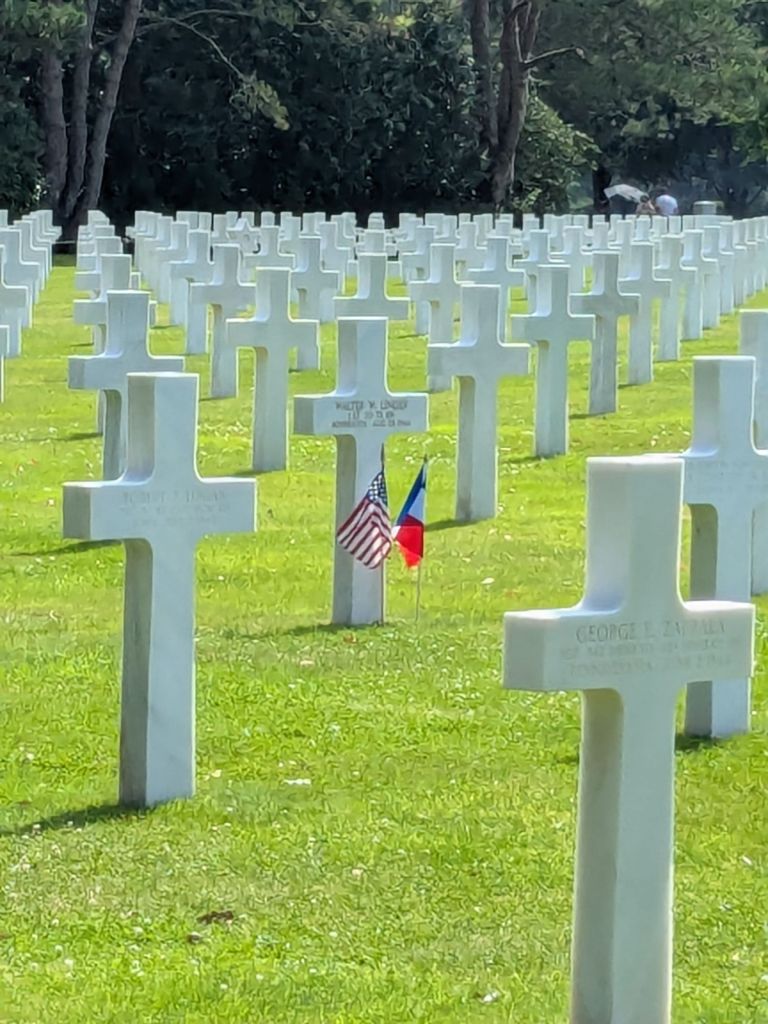
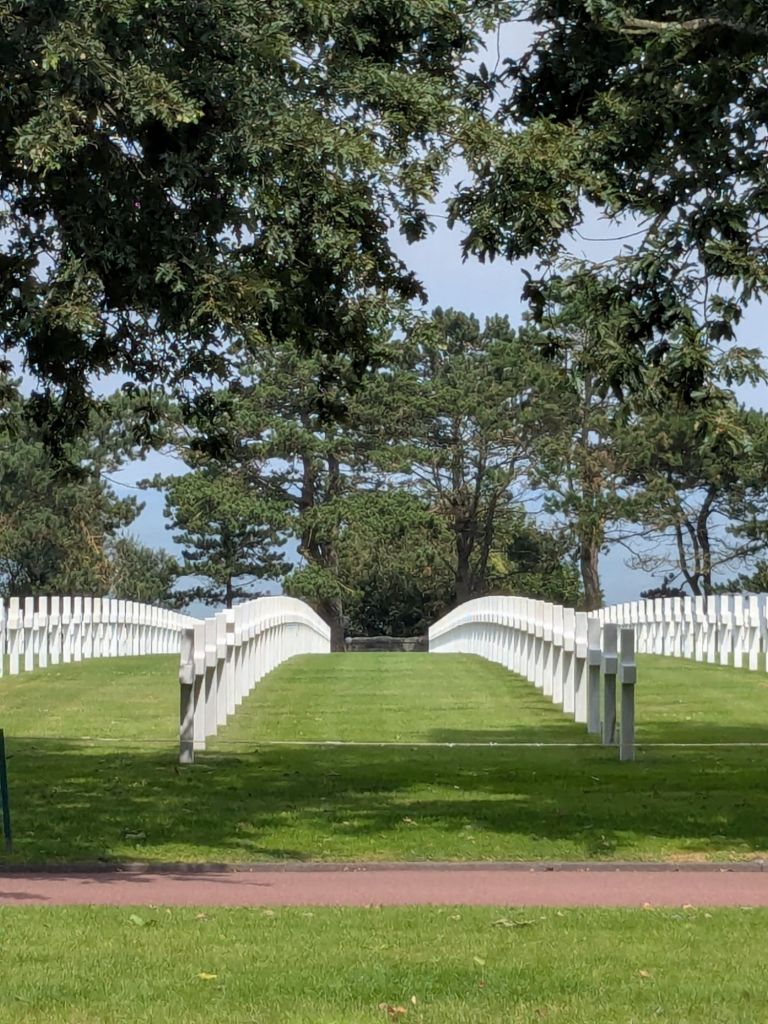

After lunch at the museum, we headed to the American cemetery overlooking the beach. This cemetery is the final resting place of 9,387 soldiers and has a wall with 1,500 missing soldiers. Each headstone has the soldier’s name, rank, branch, home state and date they died. Relatives of the fallen can make arrangements to visit their relative’s grave. When they do, they are provided wet sand from Omaha beach which they rub into the etchings, making them dark for day or two until they dry out or are washed out by rain. They are also given two small American flags, one to plant at the grave and the other to take home. We also participated in a small ceremony where a wreath was placed on a marker, the national anthem and taps were played and a short speech recognizing the sacrifice of the soldiers. This was a very touching moment for us all.

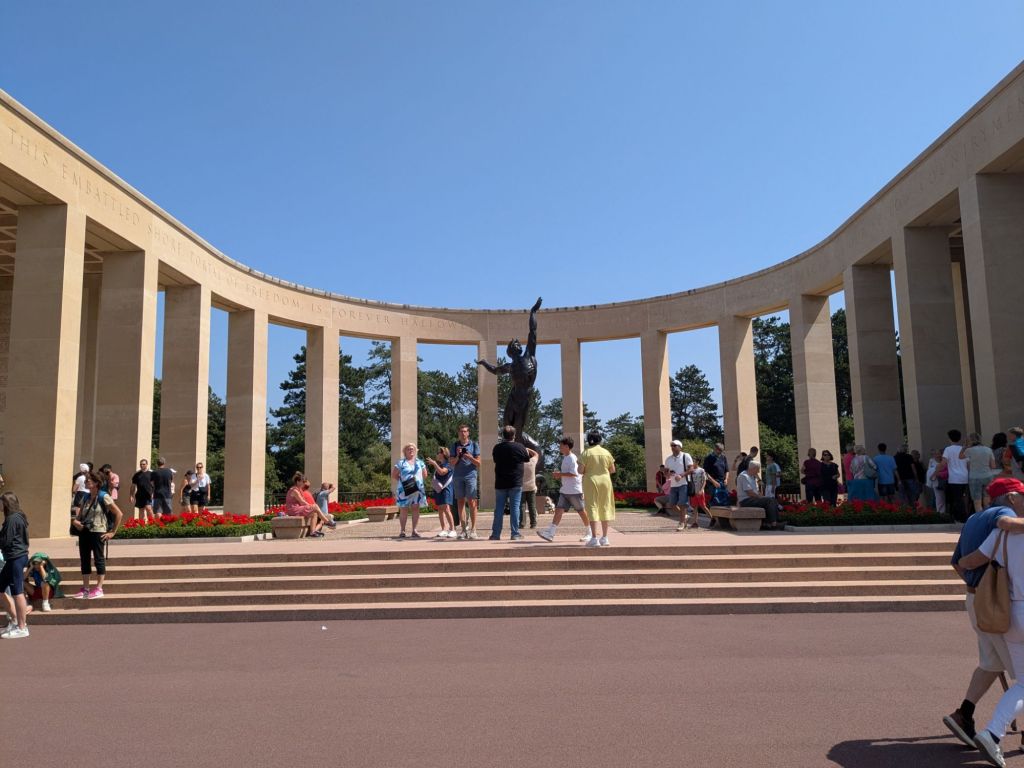


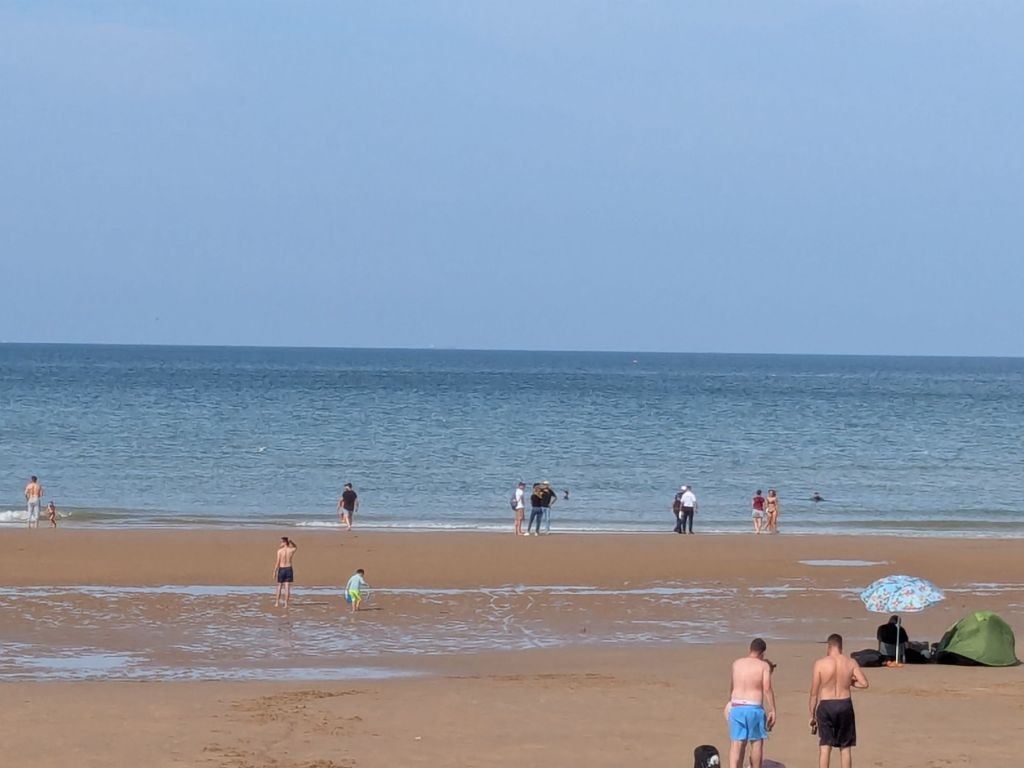
Finally, we went down to the beach itself. The tide was about half way between high and low tide, so during the landing, there would have been twice as much sand, strewn with anti-tank obstacles, barbed wire and mines. Because it was such a nice day, the citizens were all out enjoying the beach and the weather.

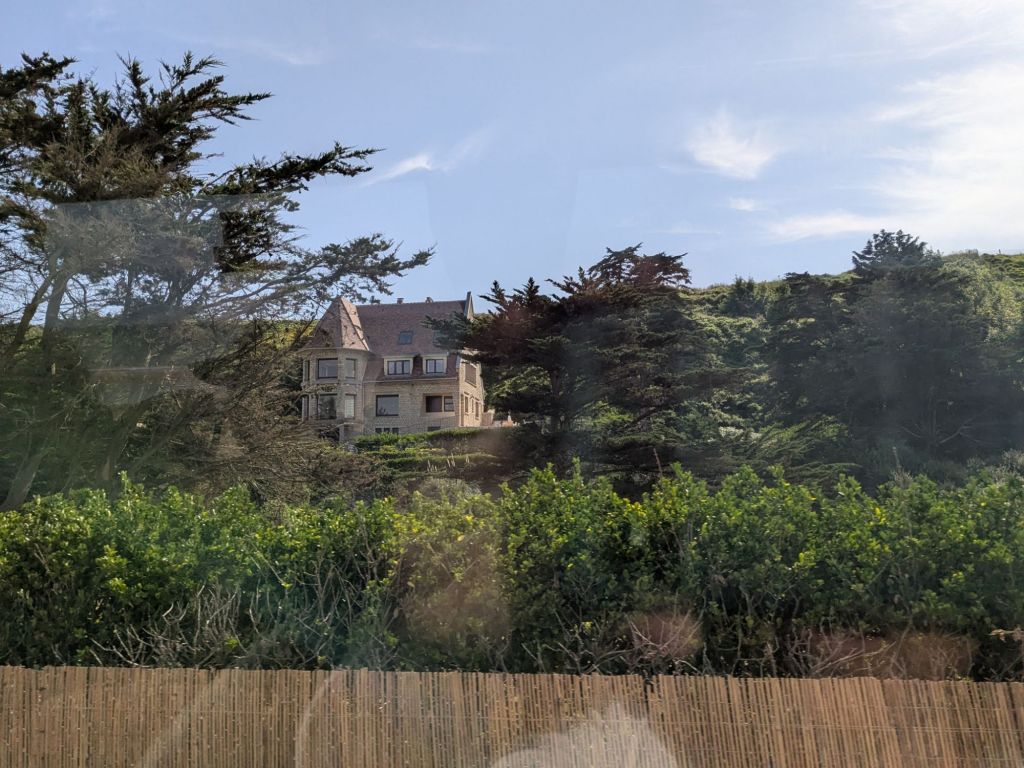



We then returned to the ship, 12 hours after we left.

 Kauffman Commentary
Leave a comment