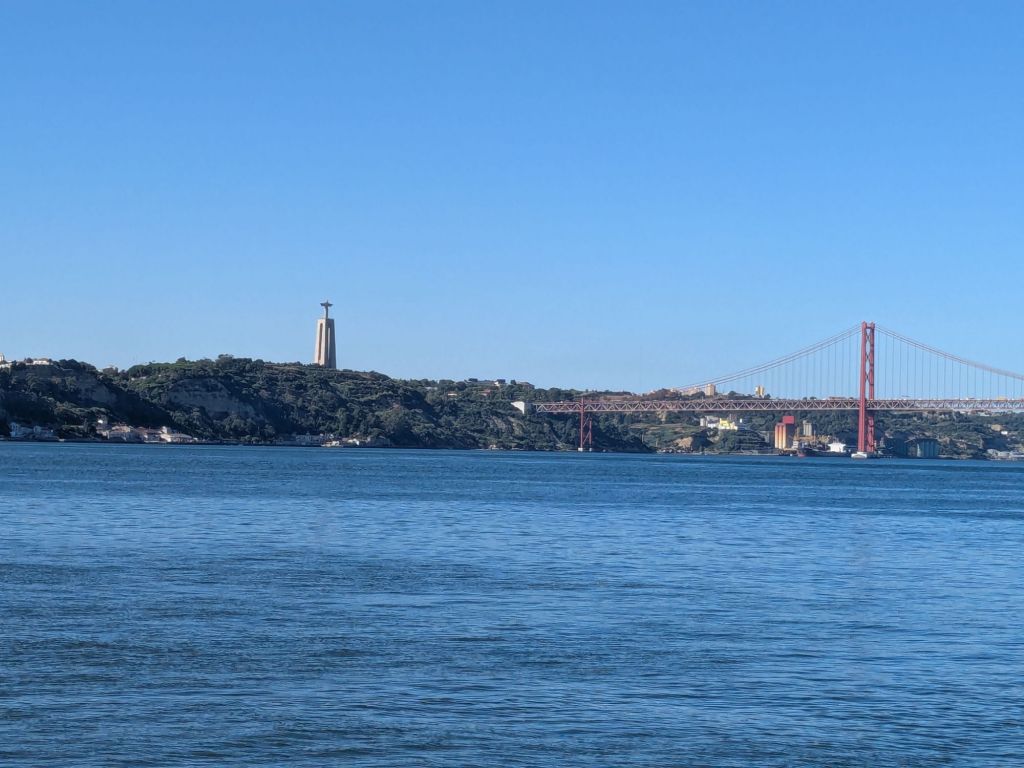
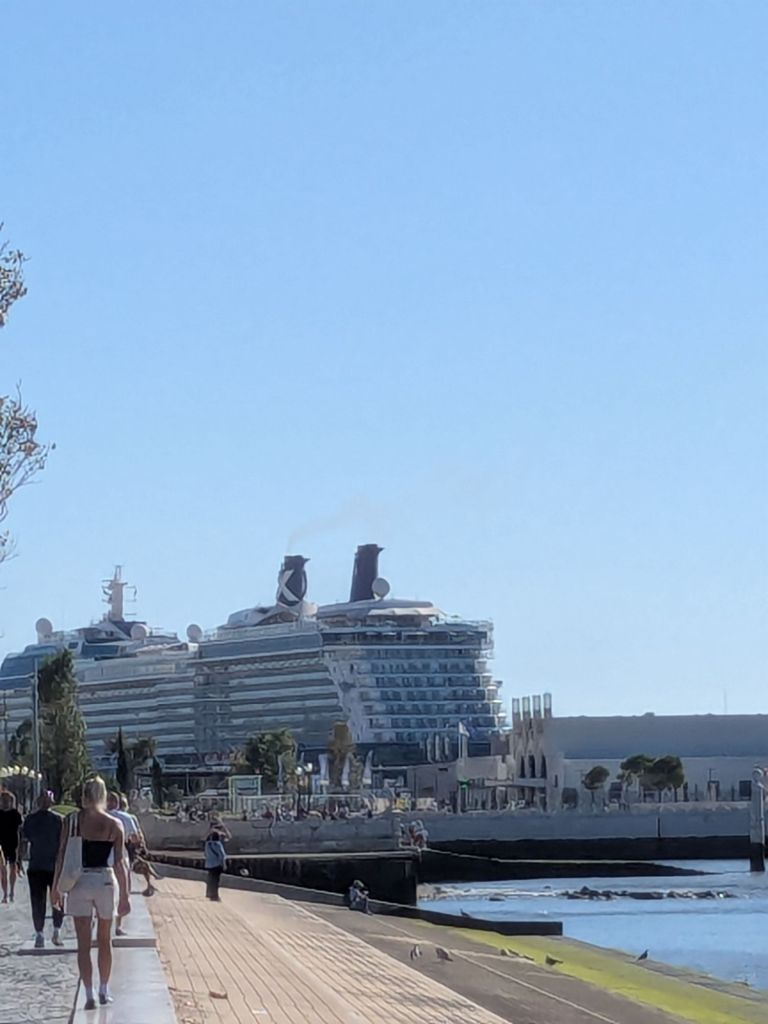
The Tagus River feeds into the Atlantic just off the coast of Portugal. There were two large cruise ships ported here this morning.
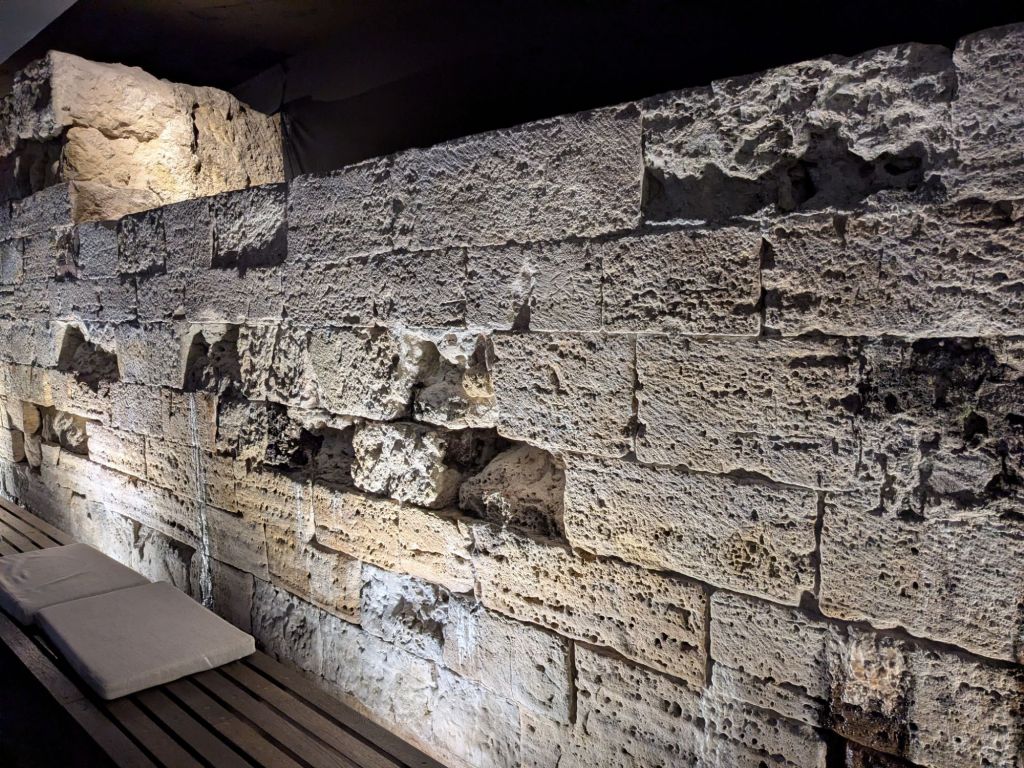
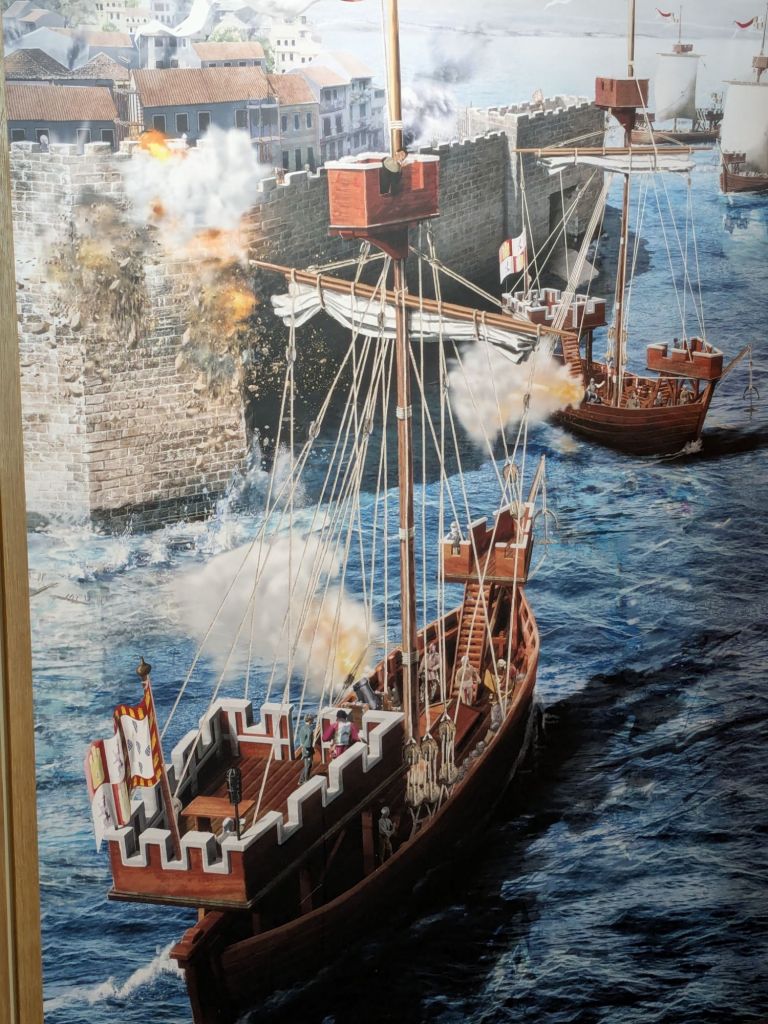
In 1375 Ferdinand I, started building a medieval wall around Lisbon. It was approximately 5 km (3.1 miles) around the city. Part of this wall was unearthed in 2015, when they began construction of the hotel where we are staying. They were allowed to keep up the renovation, keeping the wall in the -1 level or basement as we in the US would call it.
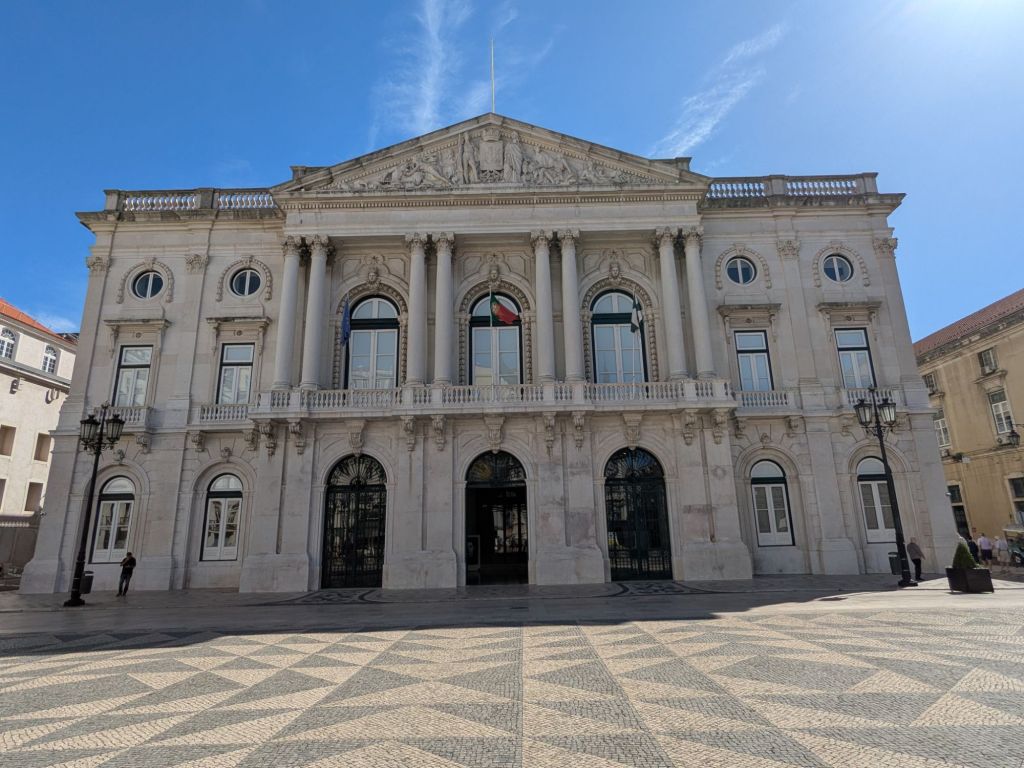
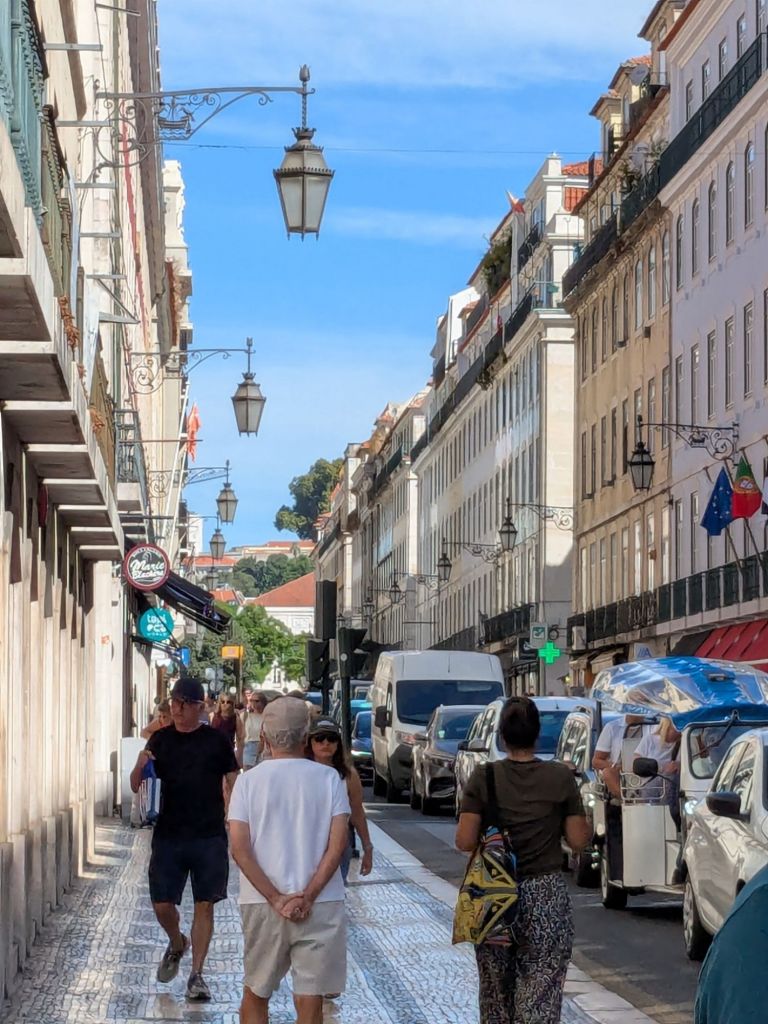
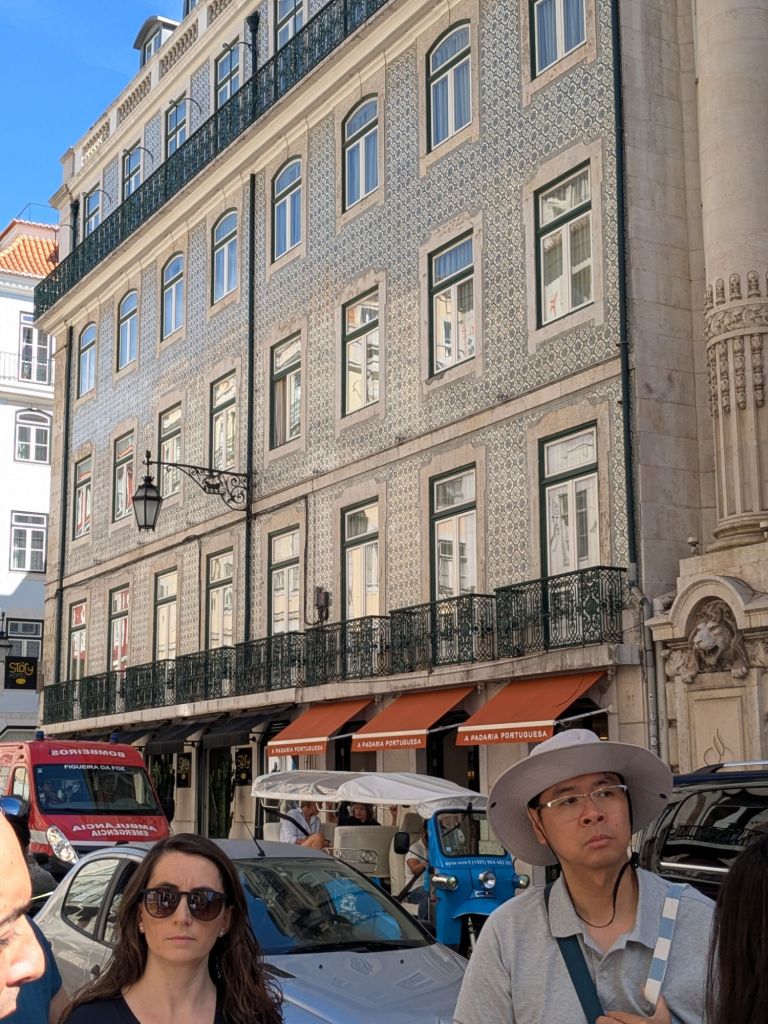
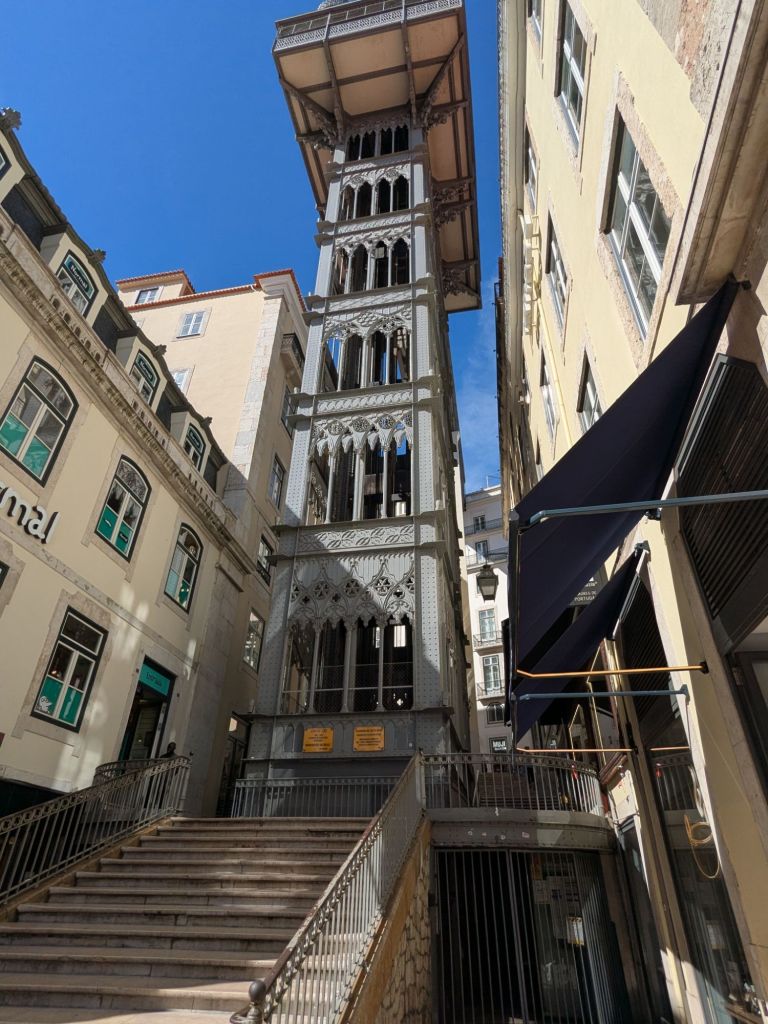
The lifts and funiculars have all been shut down due to the accident last year. One of the funiculars brakes failed and several people were killed. They are making sure that all are in working order before reopening.
In 1755 Portugal had a massive earthquake.
Much of the city was built on relatively soft ground near the Tagus River, the area we visited today. The earthquake destroyed enormous portions of the city, including churches, palaces and homes. What the earthquake didn’t destroy, was finished off with a tsunami and fires.
The Baixa area – the central downtown – was almost completely destroyed.
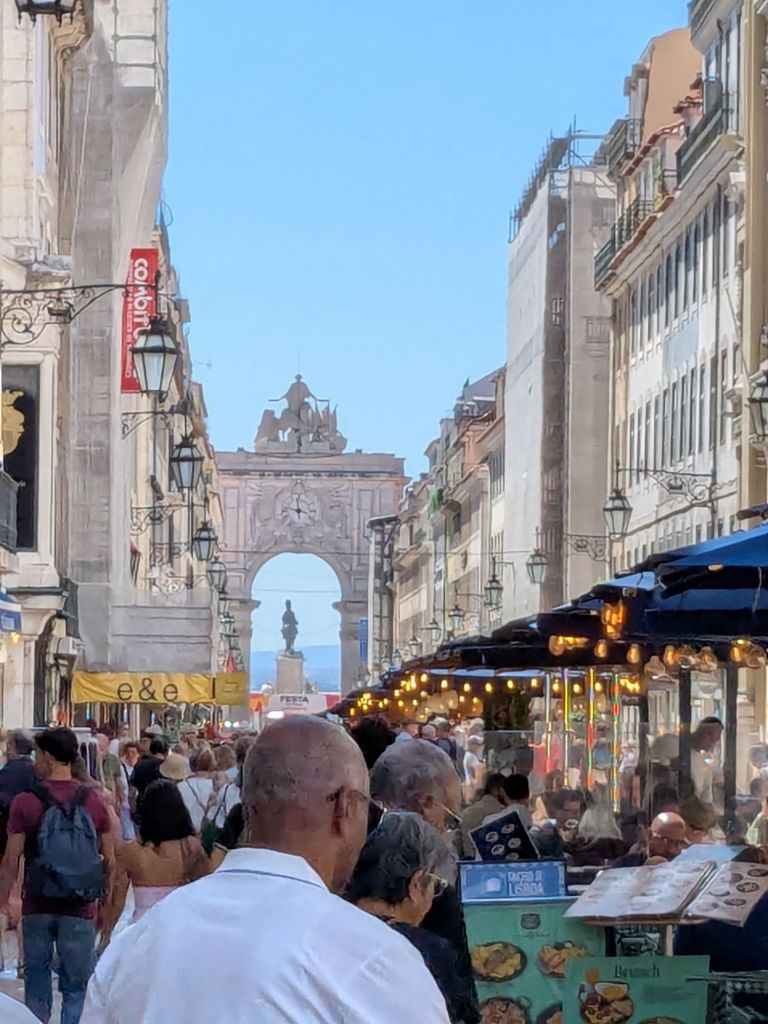
By 1755, Lisbon’s medieval wall was more than 350 years old. The earthquake and subsequent rebuilding substantially altered the city. Much of the old medieval city was demolished or incorporated into newer construction. As we saw today many buildings show these effects today.
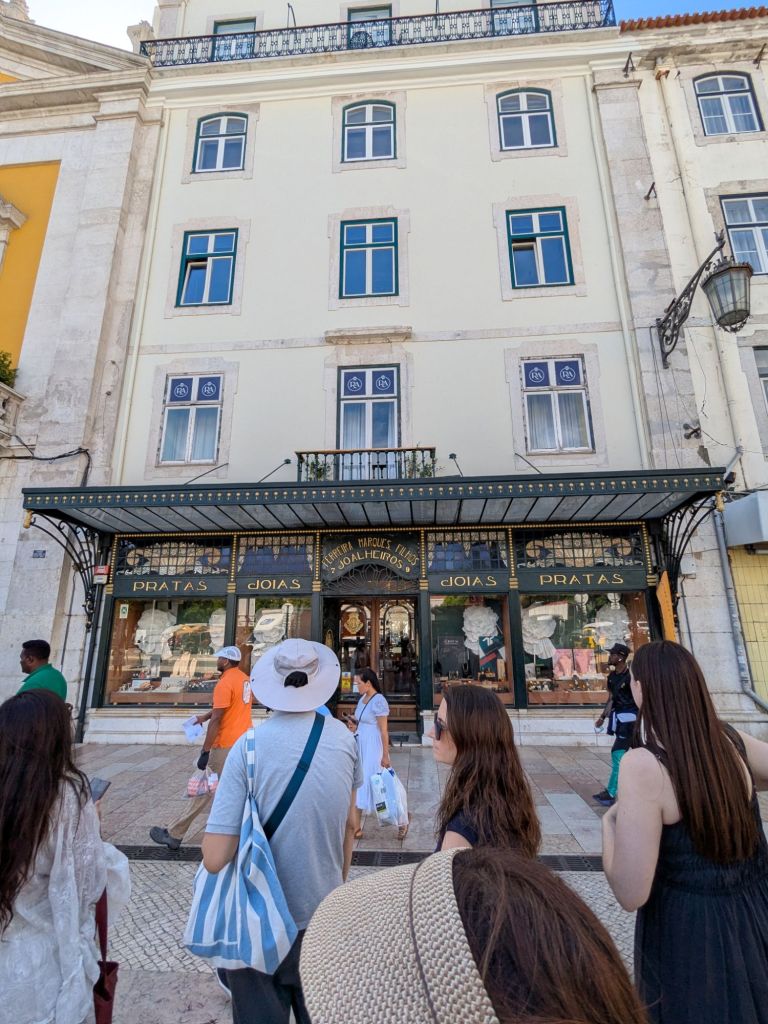
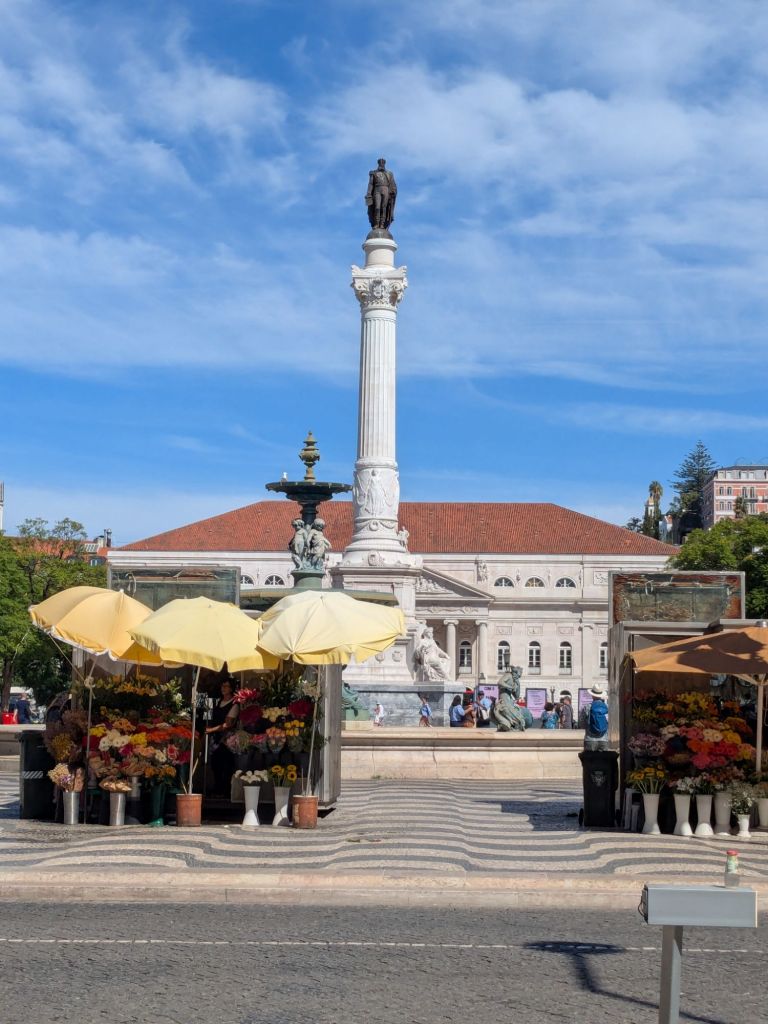
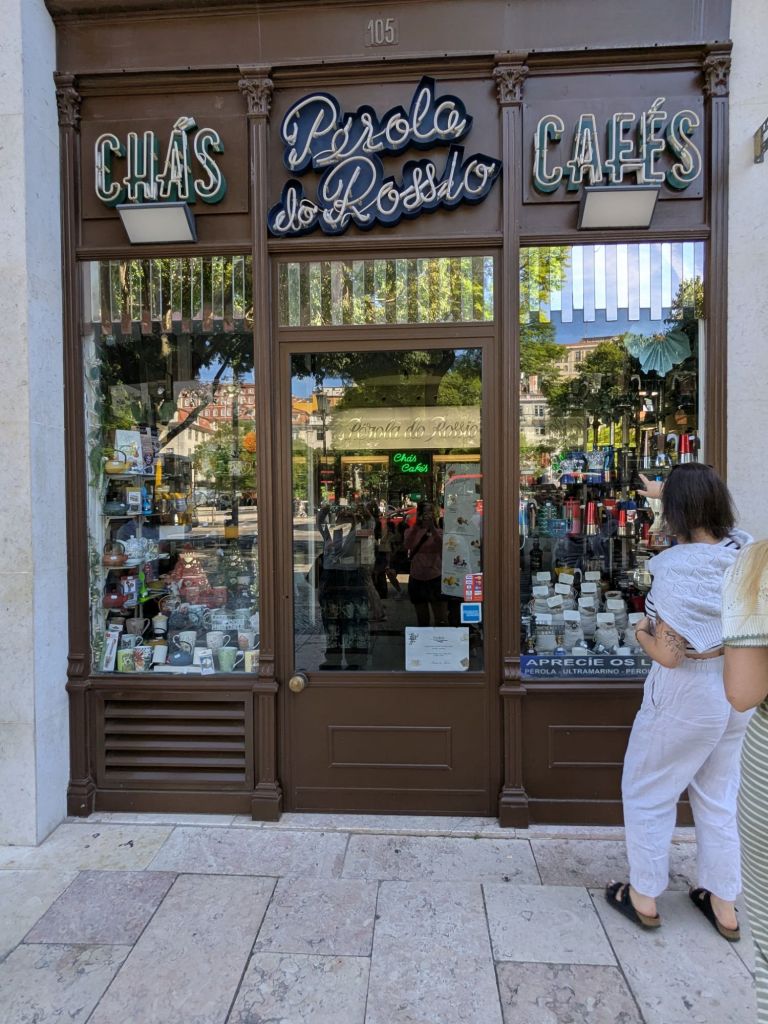
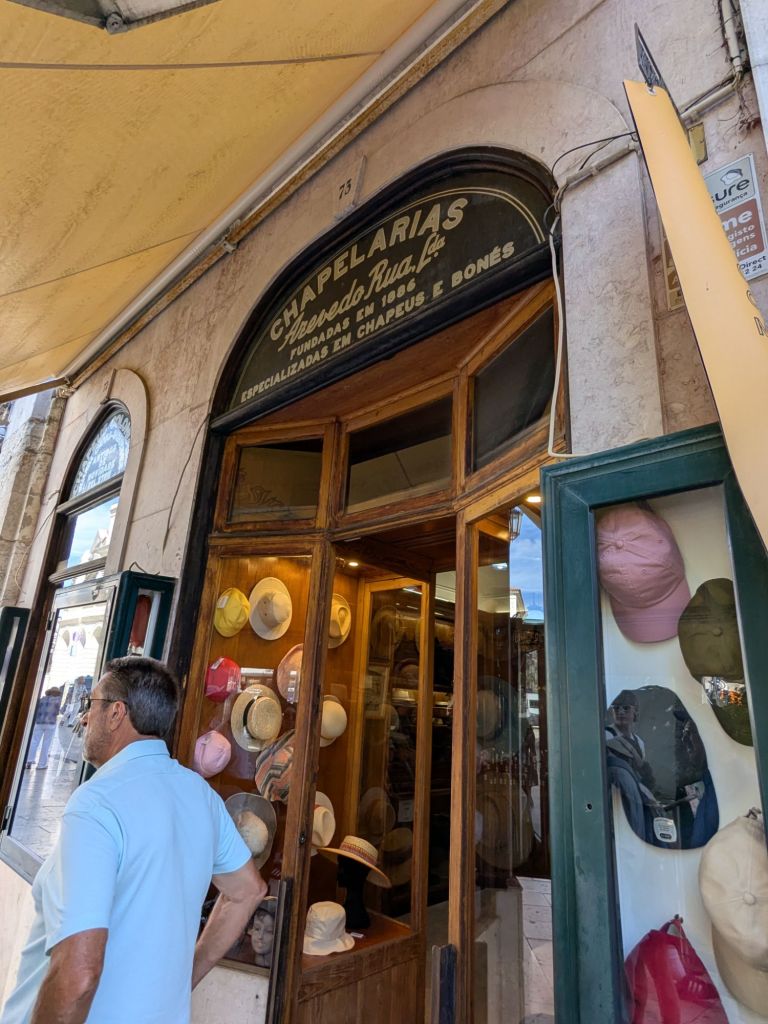
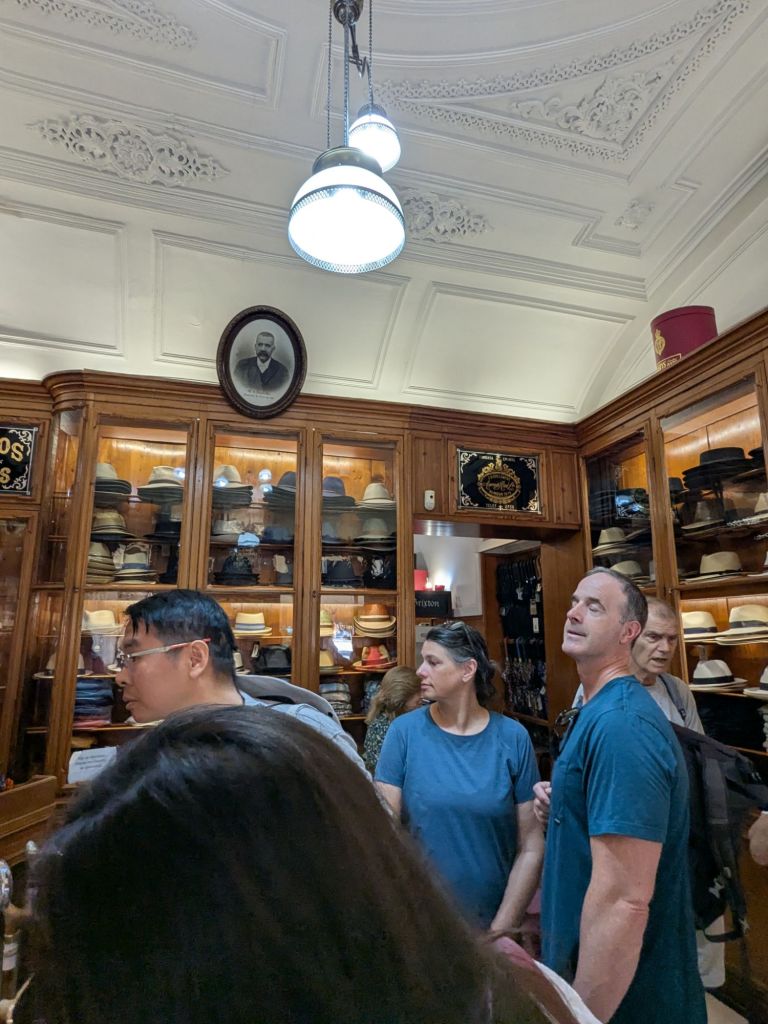
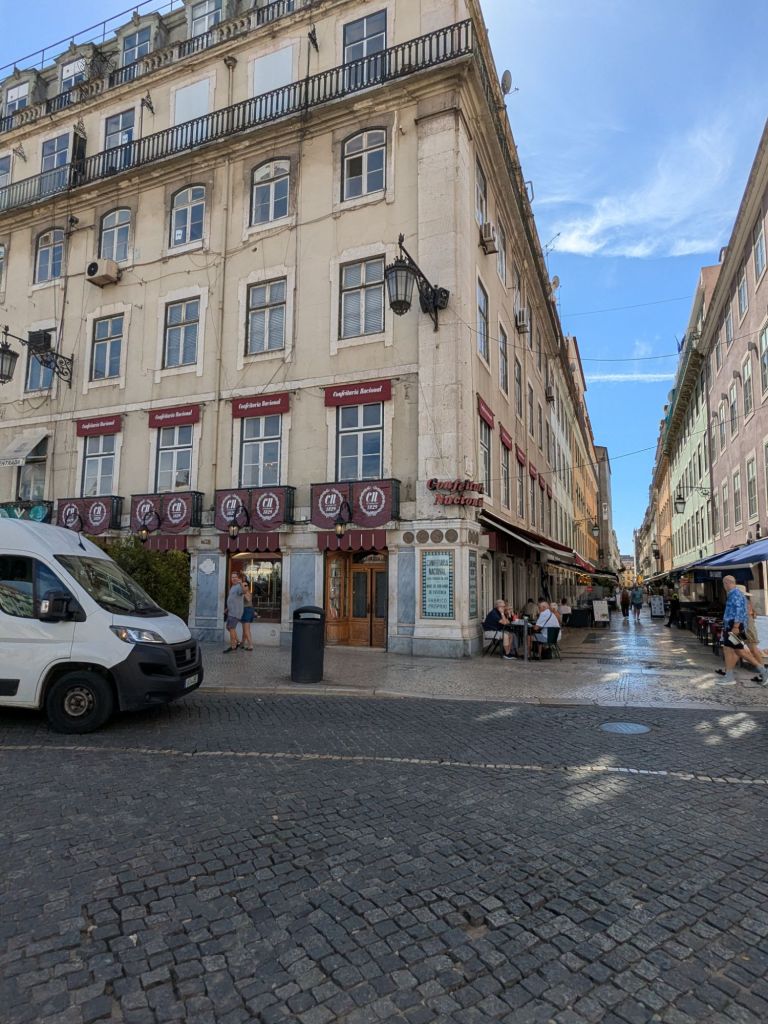
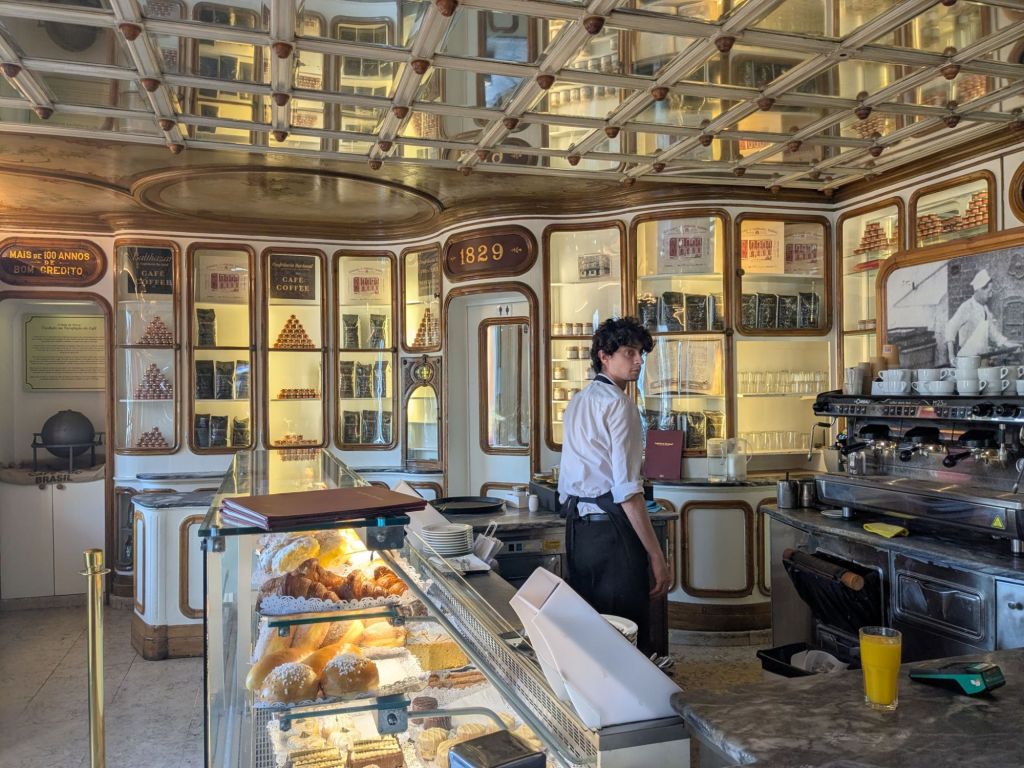
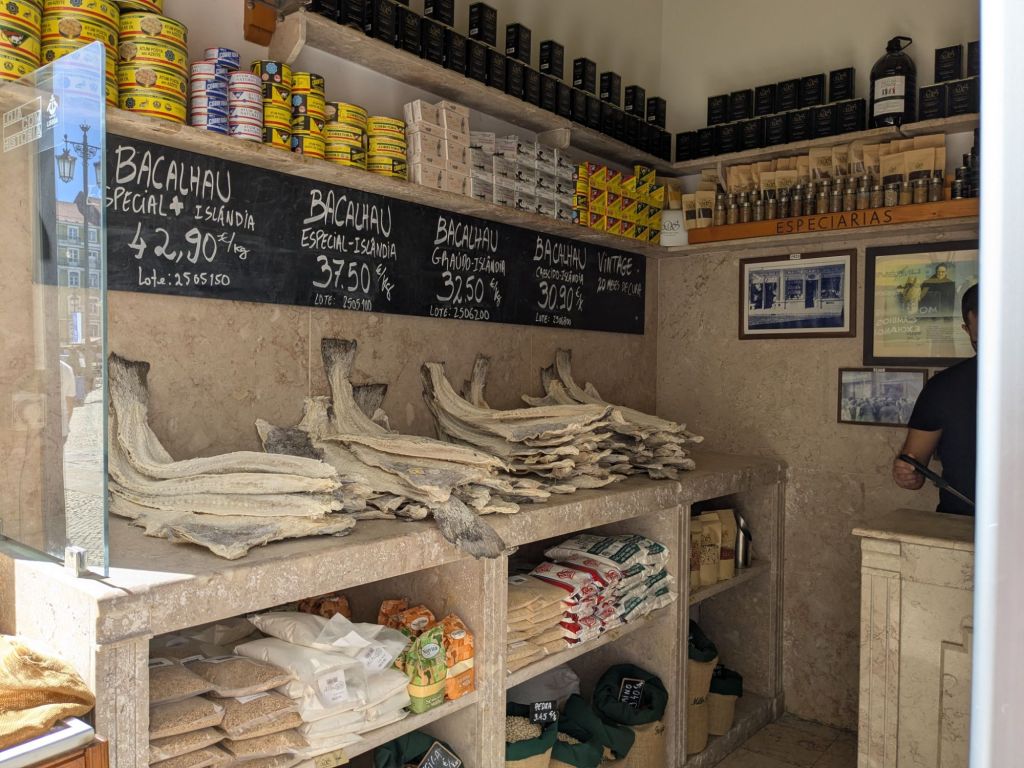
Many older stores interspersed with the Zara’s of the world.
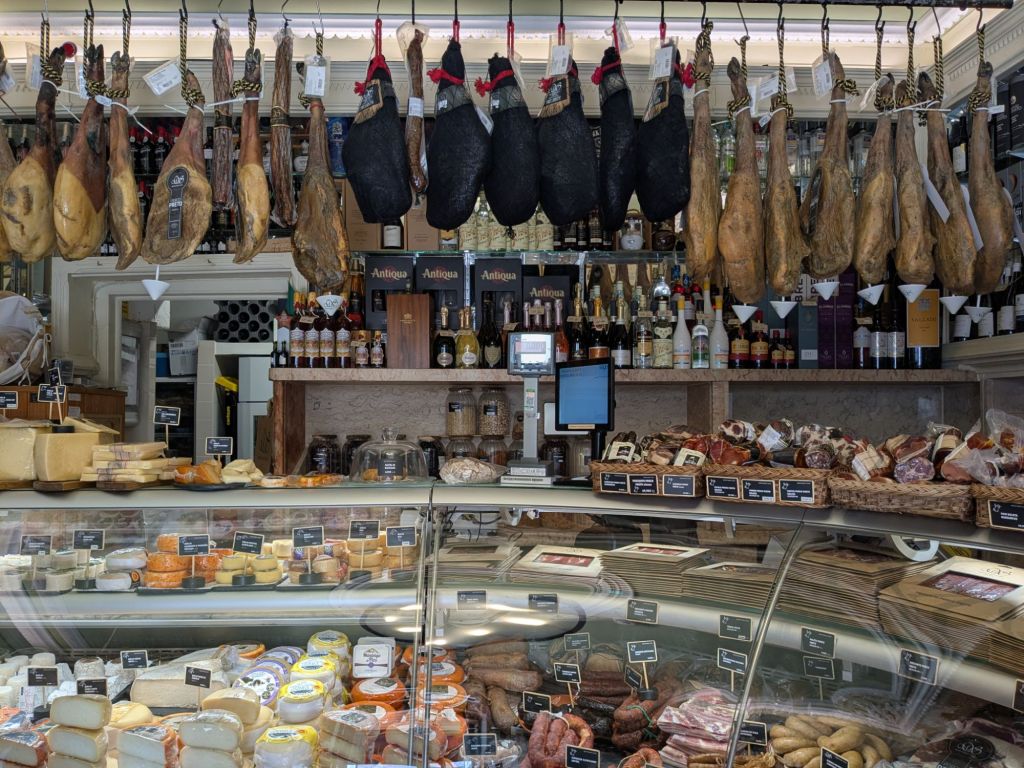
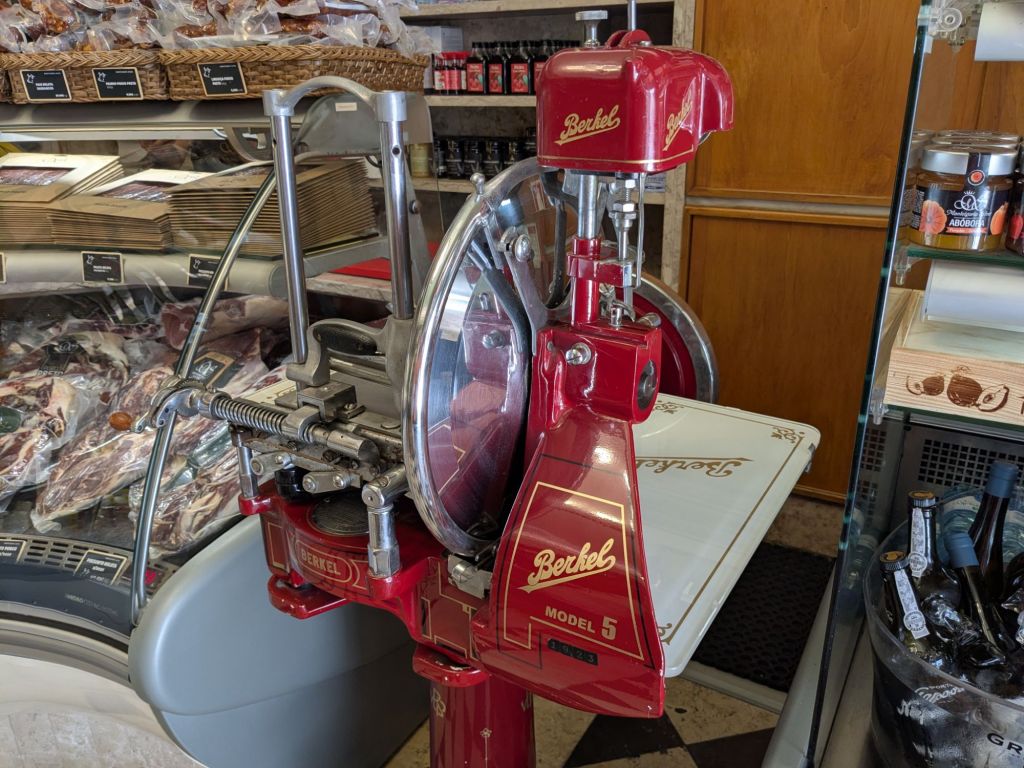
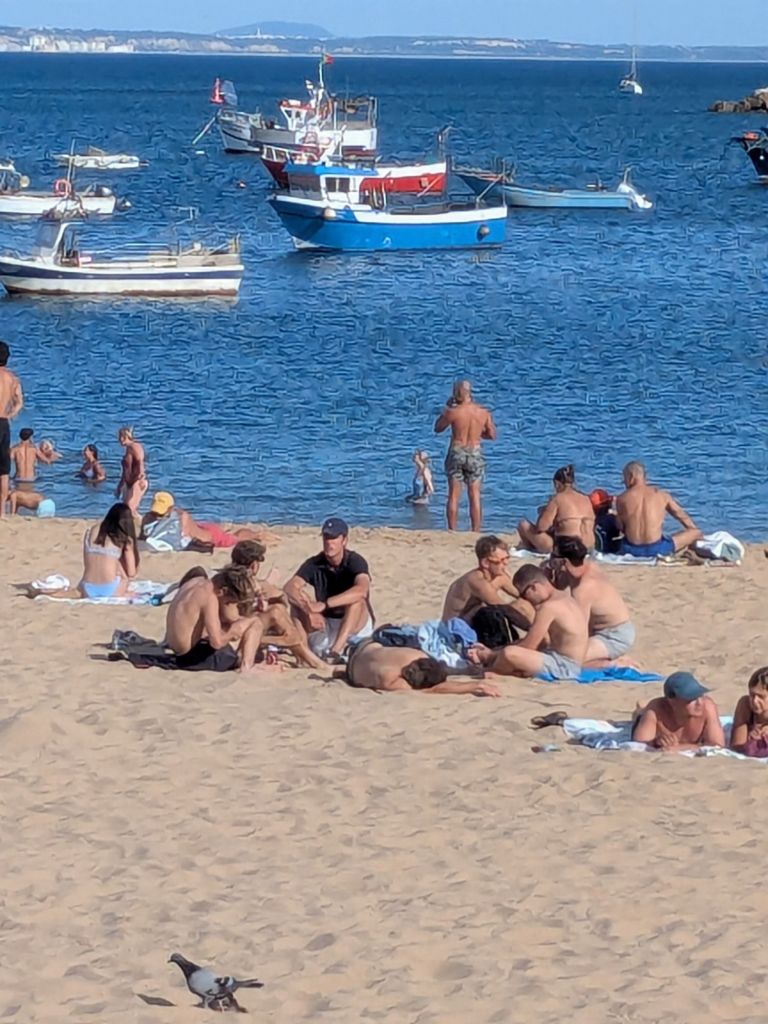
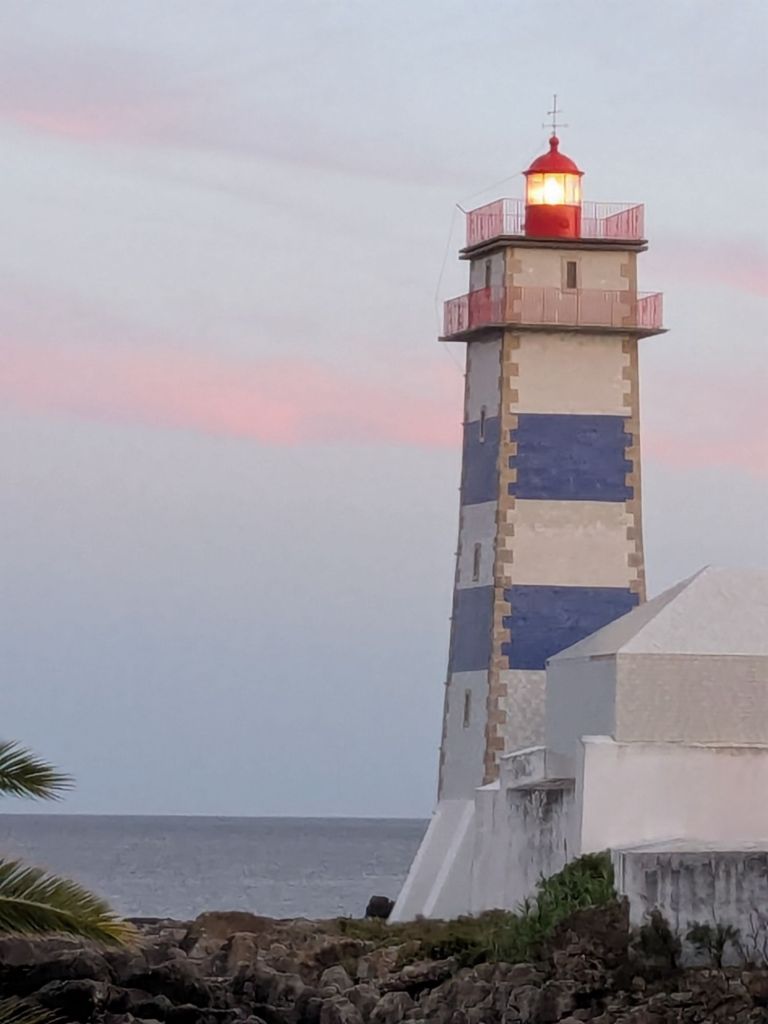
It’s a 40 minute train ride to the beach town of Cascais. Popular with both tourists and locals from the Lisbon area.
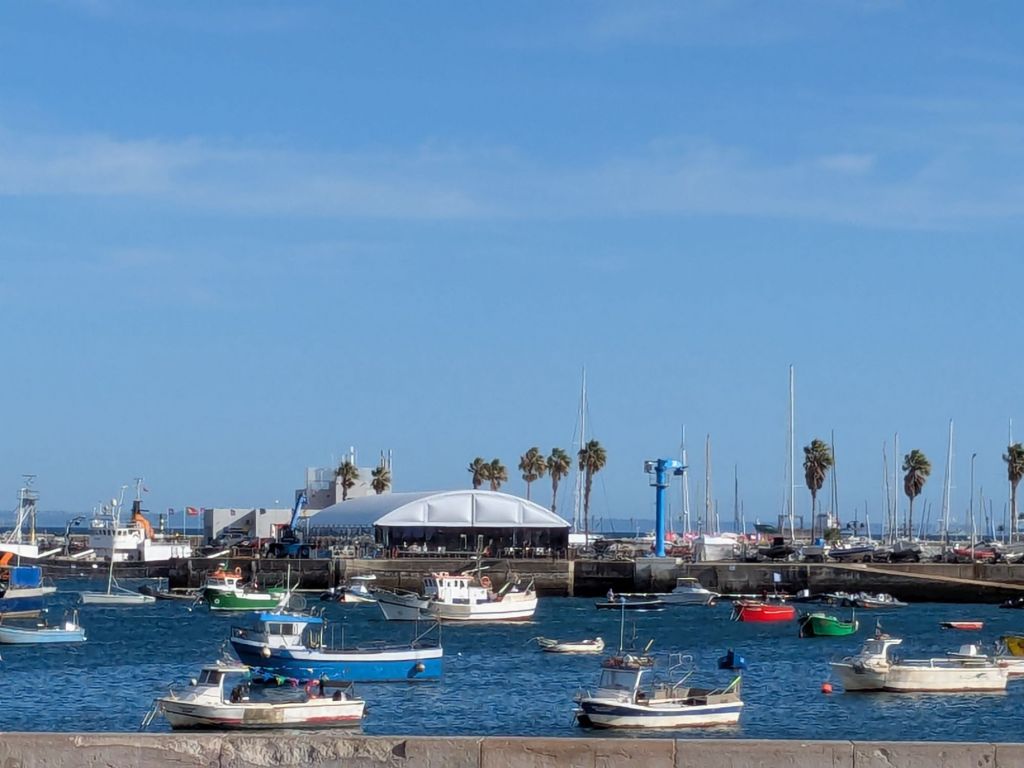
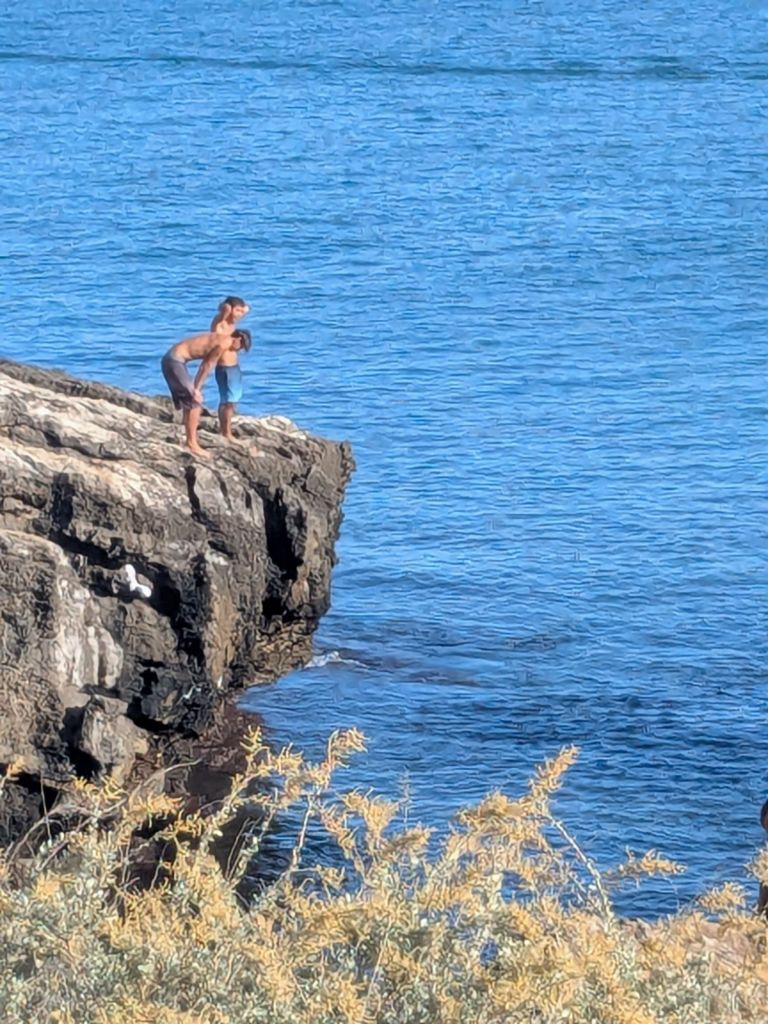
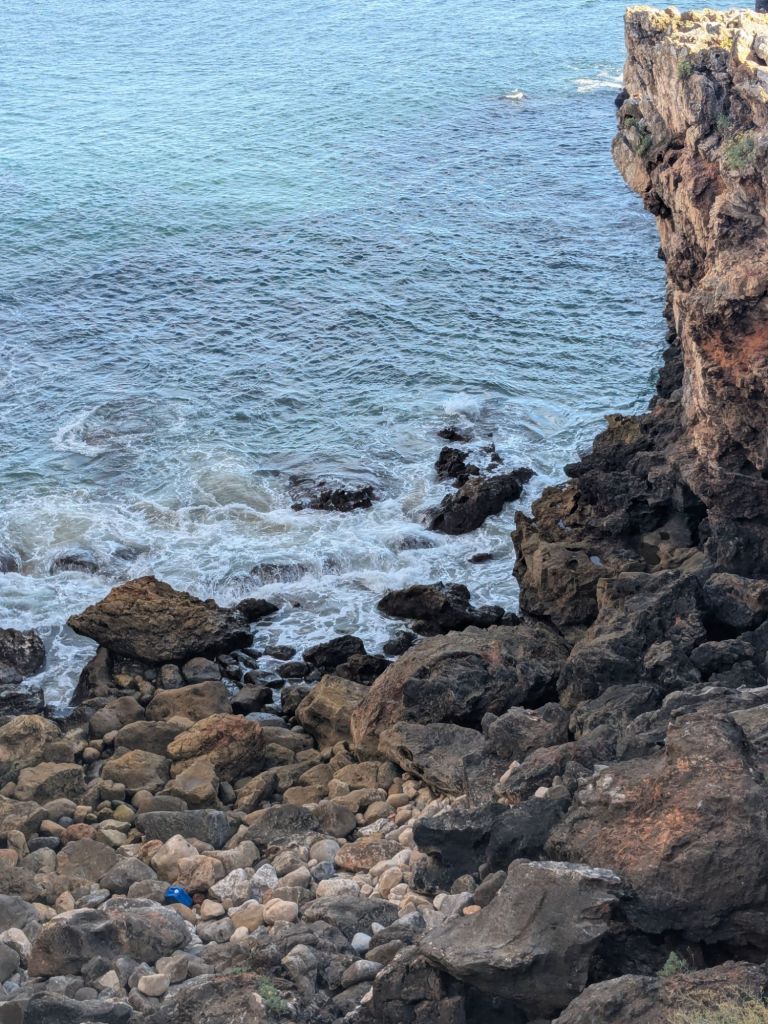
Boca do Inferno or Hell’s Mouth is where the Atlantic pounds the limestone cliffs just west of Cascais. It is a relatively mild time of year, with the eruption of waves like a volcano in the wintertime.
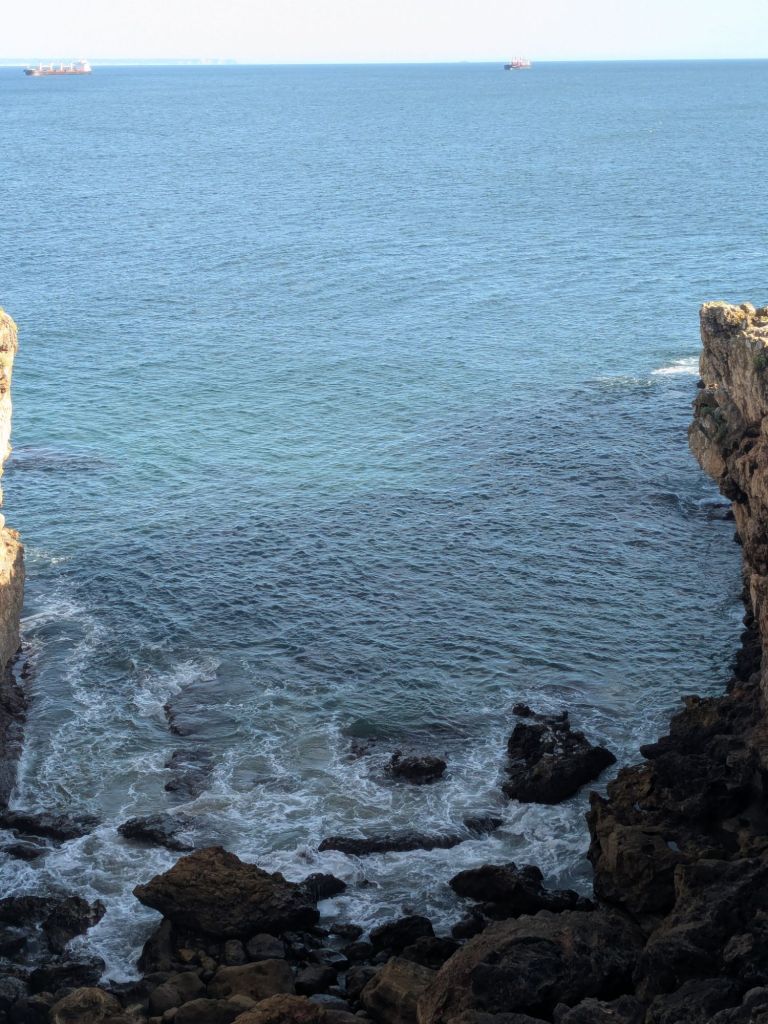
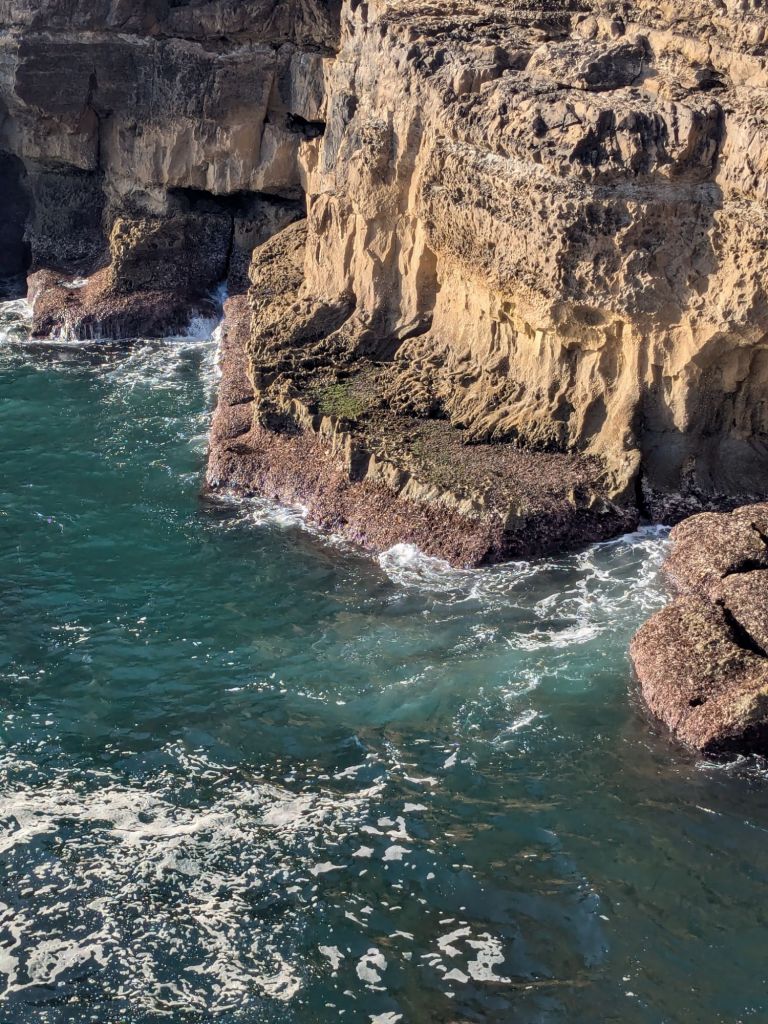
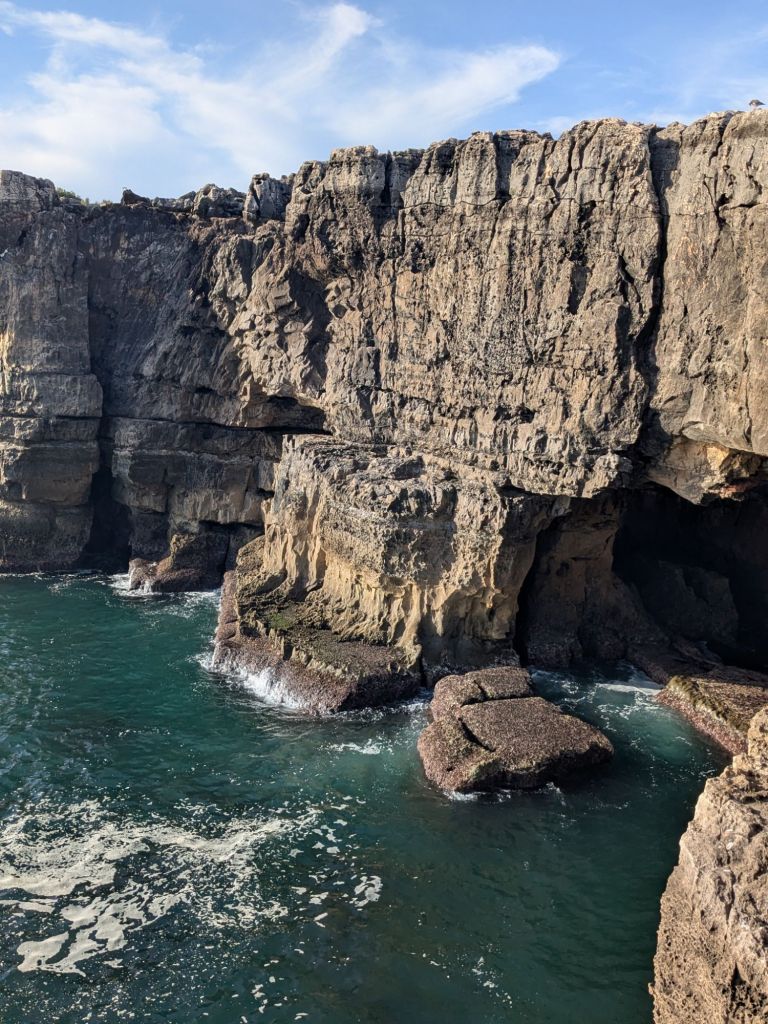
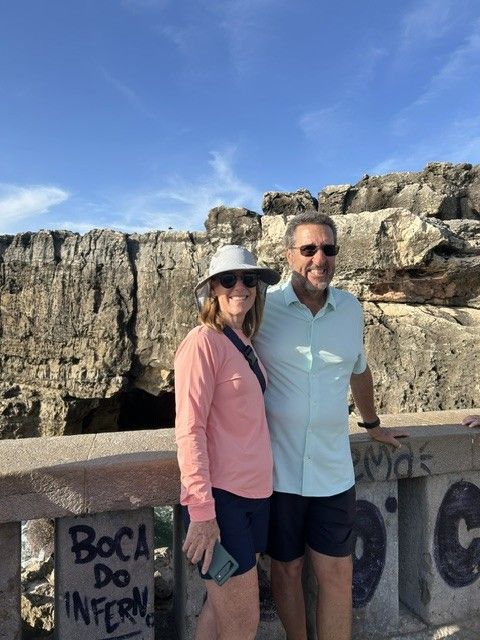
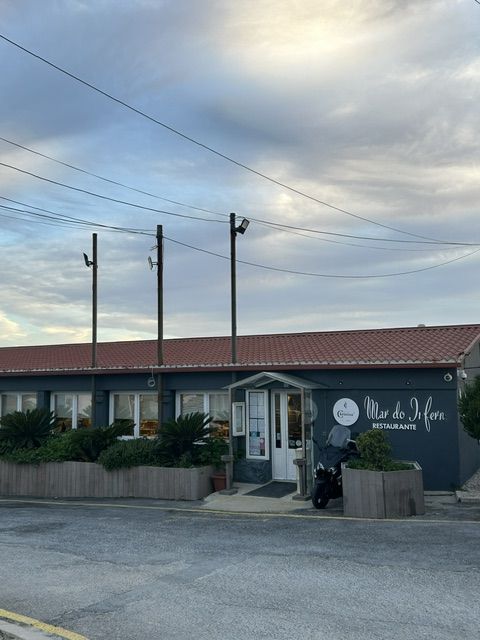
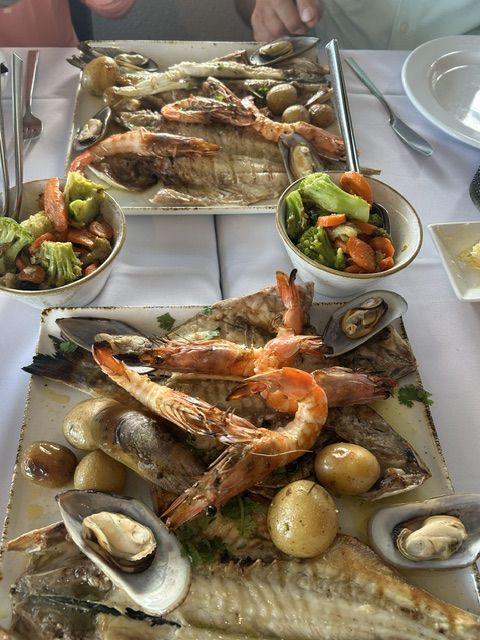
Food was high on the list after our walk to the inferno. A local suggested Mar Do Inferno where we had a delicious meal.


Leave a comment